
It’s a myth that symbolism and motifs are the sole property of literary writers. They are important tools in the romance writer’s toolbox as well.
Symbols are items, gestures, or images that represent an emotion, idea, or theme in the story. A motif is a recurring element, such as stormy weather representing grief or depression.
We’ve all read (or written) a scene with a widowed character taking off his or her wedding ring before a date, showing the reader they’re ready to move on and open their heart to love again. That’s symbolism.
In The Garden of Small Beginnings by Abbi Waxman, the protagonist, widowed Lilian, is an illustrator assigned to draw vegetables for a collection of guides. Her boss volunteers her to join a community gardening group. The sowing, weeding, watering, budding, and new growth all reflect Lilian’s own emergence from grief.
Motifs are recurring elements that reinforce the story’s theme.
In To Kill a Mockingbird, the mockingbirds are innocent creatures unjustly injured. The birds are only mentioned a few times, underscoring their importance.
Inspirational authors often use imagery such as light (truth, hope, God’s guidance), water (cleansing, rebirth, surrender), or doors and keys (opening oneself to possibilities and the future) to highlight their themes.
The natural world is full of symbols and motifs. All of creation tells of God’s goodness. Jesus used birds and flowers to illustrate how God cares for us.
In You Belong With Me by Tari Faris, the heroine’s Hannah’s, determination to preserve the past is shown by how she clings to her mother’s plate collection and her desire to restore her hometown’s historic downtown square. When the plates crash to the floor and the houses on the square literally burn down, Hannah is forced to let that dream turn to ash. Then she’s free to build a future with the hero.
Sometimes you discover a symbol or motif as you’re writing, but other times you can also deliberately layer in your symbolism.
Start by considering your characters’ emotional wound.
Is she afraid of love? What else could she be afraid of or afraid to do that could symbolize her fear of falling for someone? What could show her fear of having her heart broken? Does he need to learn how to show his feelings?
At the beginning of Mandy Boerma and Rachel Hauck’s You’ll Be Mine, Cami Jackson has repressed her artistic nature, believing that the way to her father’s love and approval is to be a high-achieving businesswoman. As Cami falls for inn owner Ben Carter, she finds herself helping him paint and decorate his inn.
By the end of the book, she has stepped fully into her identity as an artist and discovers that she’s always had her father’s love whether she wielded a paintbrush or a spreadsheet. Boerma and Hauck used color and art imagery to illustrate Cami’s transformation.
When using symbolism, it’s important to remember less is more.
Trust your reader to get the meaning. You don’t need to point to the symbol and use a loudspeaker. Also, resist the urge to use the symbol or motif in every chapter. Three or four times in the entire book is sufficient.
Symbols and motifs can enrich the reader experience and help your story linger in the mind long after the book is closed. And isn’t that the best gift you can give?
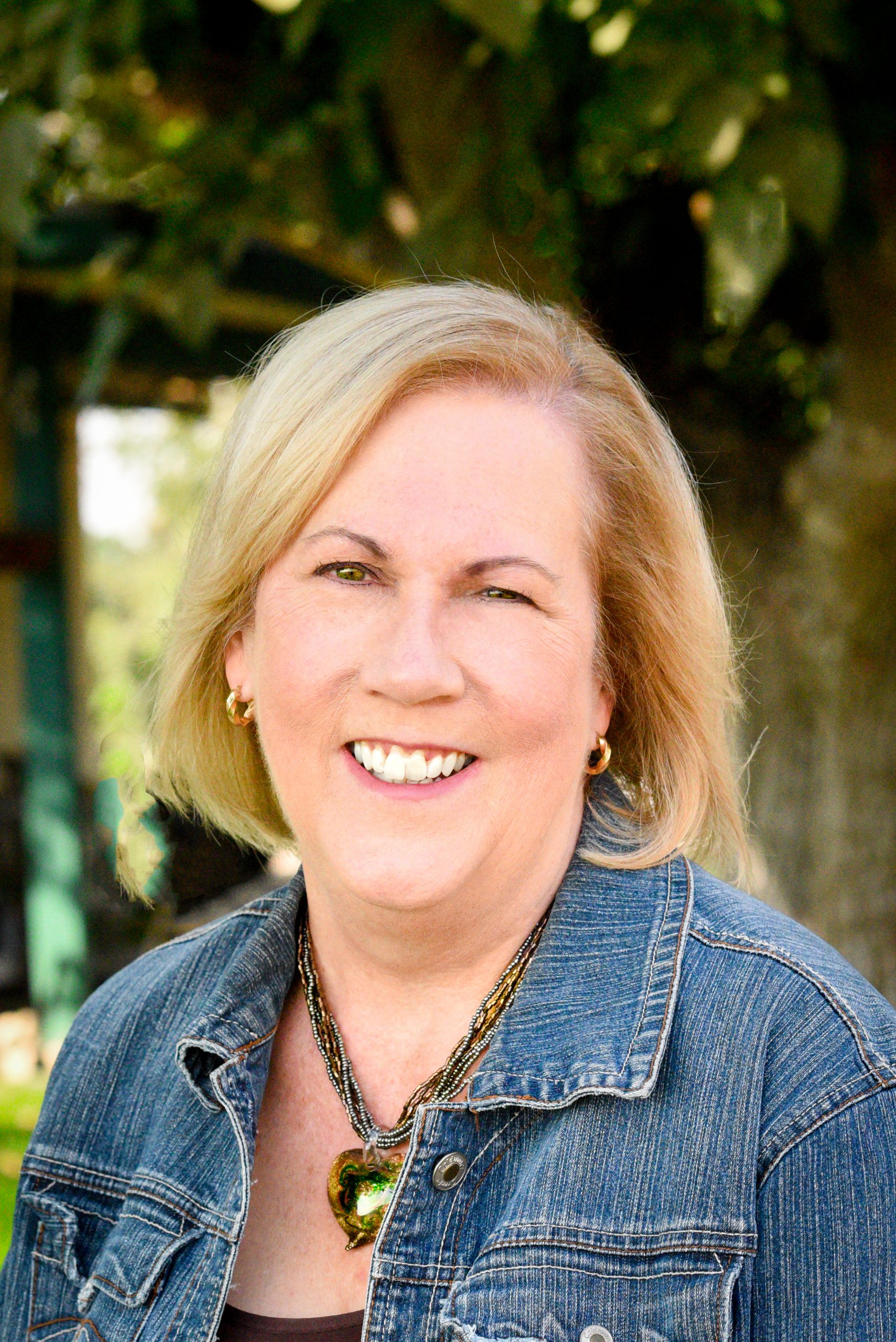
Carrie Padgett lives in Central California—close to Yosemite’s beauty, but far from Hollywood glitz. She believes in faith, family, fun, and happily-ever-afters. She writes contemporary romance and women’s fiction fueled by equal parts heart and salty snacks. Carrie and her husband make their home in the country with one very high-maintenance cat and six grandchildren just a drive away. You can find her online at:
- Twitter: CarriePadgett
- Instagram: carpadwriter
- Facebook: WriterCarriePadgett
- Amazon Author Page: Carrie Padgett
No Comments