
Earlier this month, I took my coldest bike ride in 28 years, with temperatures dropping below freezing. To be honest, it wasn’t my intention to be biking in subfreezing weather that day.
However, I did take careful steps to prepare myself for being physically active outdoors during the winter. It is amazing what we can do if we take the time to carefully prepare in advance before we attempt to do anything in life, physically, mentally, or intellectually.
As a health nut and disability advocate, I always give people three important tips for getting or staying healthy:
- Get as much rest and sleep as you can.
- Pre-hydrate before you do any activity.
- Remember to fuel your body.
I have stated before how I learned this lesson the hard way after my accident (this video of my time in the hospital may be disturbing for some. Viewer discretion is advised) when I fell off the toilet in my hospital room because I wasn’t able to walk on my own without an assistive device or a nurse helping me.
My 23-year-old pride fooled me into thinking that I was ready to walk on my own, despite being in a hospital bed for over a week. Even the minimal in-house therapist’s work hadn’t prepared me to ambulate around the hospital on my own.
It wasn’t until I entered a specialized rehabilitation hospital a month after my accident that the therapists were able to get me strong enough and prepare me for walking on my own, albeit short distances at first. But baby steps are the first steps in being prepared for anything in life, and preparation works for us in the end.
What Is Preparation
While most of us think we understand what it means to prepare, when it comes to rehabilitation and health services, it is best to listen to and take the advice of those who are specifically trained to help us with our physical and mental improvements.
Preparation is an important part of life, even if you aren’t disabled. Our bodies and brains can handle and do much more when we prepare properly. In school, most of us learned the importance of preparation by studying before a test to help us get passing grades.
There is no need to wait until the beginning of each year to try to practice healthy habits or lose weight. Preparation for being healthy starts at home, any time of year, not in the gym for two or three of months. This principle also applies to the lives of writers who depend on attending an annual writing conference to help prepare them for a writing career.
The Writer’s Life
The writer’s life can be overwhelming and chaotic, even for the most seasoned writer. Professional writers understand the importance of being prepared to write, mentally and physically.
First, I want to address the elephant in the room: if you need caffeine to write or to do anything productive, then you are not getting enough sleep and fuel into your body and brain. Glucose from sugar and carbohydrates is our brain’s primary source of fuel, not caffeine.
The writing career is a marathon, not a sprint, so writers need to prepare their brains and bodies to write, just like an athlete prepares for a race or any competition; writing takes time and training.
That is why a writer doesn’t need to start their career with a big, heavy writing project like a book, stage play, or screenplay. A writer’s life is built on baby steps, smaller writing projects to help a writer learn the craft and hone their skills and writing voice.
Author Jerry B Jenkins offers these tips for taking baby steps on your writing journey: start small and build your writing muscles.
Being prepared as a writer means more than just having a good idea or ideas. Below are some tips on how writers prepare to write:
- Rest
- Nourish your body and your brain.
- Hydration
- Focus
- Research/study
- Brainstorm
- Outline, even if you are a panster
- Find your quiet space.
- Limit distractions
- Block off Time to write
Professional writers take the necessary steps to prepare before they write, because they don’t want to waste time creating subpar prose. Quality writing flows from a well-prepared writer who has taken the time to adequately prepare to write.
Likewise, the best athletes and healthy people prepare before they ever attempt to meet a physical challenge. Athletes know the benefits of warming up in addition to resting and fueling up before exercising or competing.
When we warm up, we prime the heart and increase blood flow to the muscles to help achieve maximum effort without risking injury. I want to emphasize the difference between warming up and stretching; these activities serve two different purposes: one prepares, and the other is for recovery.
Warming up is a precautionary measure to help decrease the risk of injury or a heart attack. Stretching helps loosen our muscles and reduce pain after exercise. Preparation and precautionary measures go hand-in-hand.
Proceed with Caution
As I write this, most of the southeast is under a severe winter storm advisory. Store shelves are almost empty as people are preparing for what may or may not happen. State and federal agencies are preparing our roads for any icing or snow that may impede driving and cause accidents.
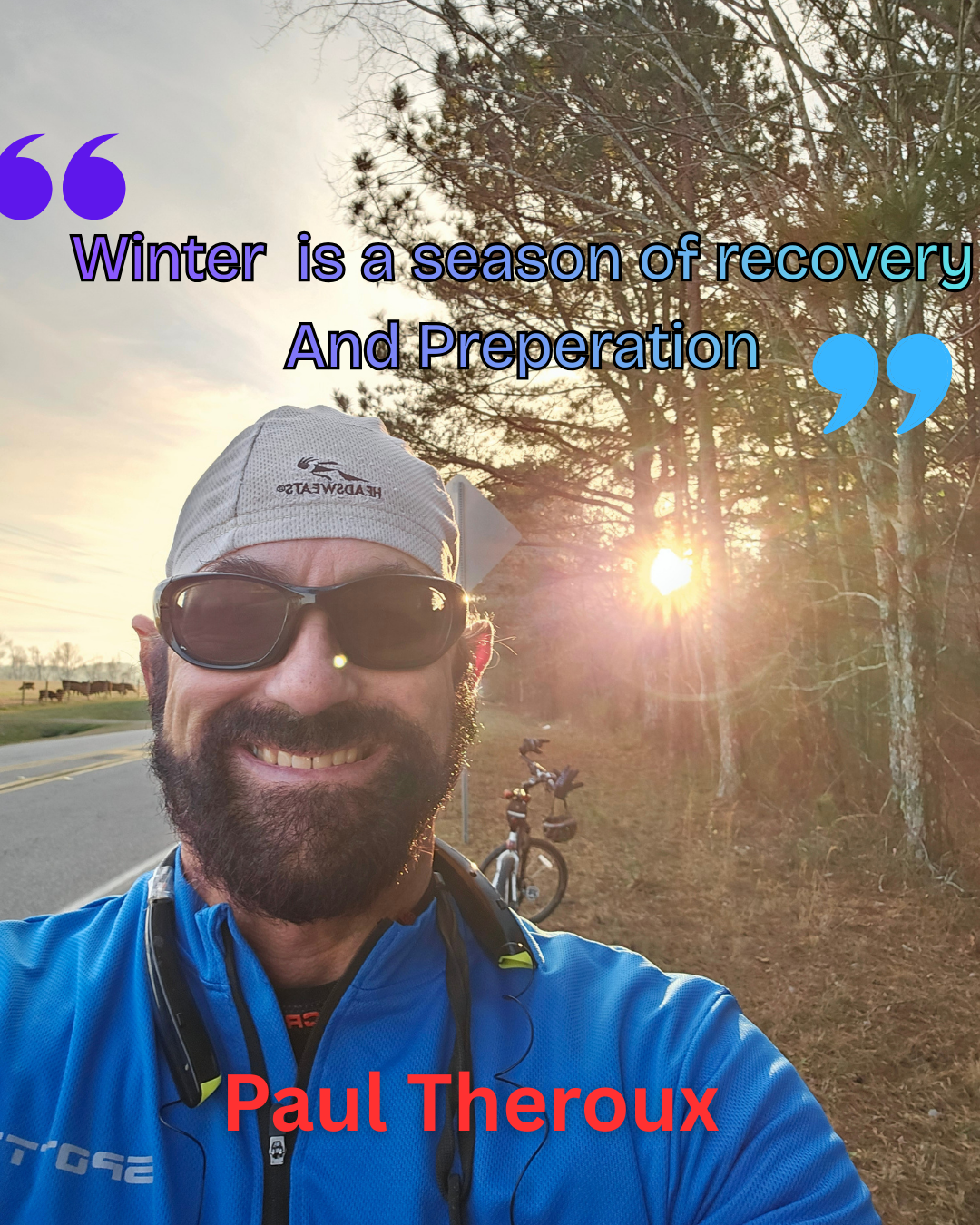
It is wise and beneficial to take precautionary measures before we do anything that may cause us harm. During this time of year, I would be a fool if I didn’t approach my biking with certain precautions, like getting myself acclimated to the low temperatures before I ever get on my bike.
- Bike radar charged
- Bike headlights charged
- Adequate layers of cycling clothing
- Bike maintenance complete
- Air pressure in my tires maxed for a faster roll.
- Let my beard grow thicker.
One of the biggest ways I prepare to bike during the winter months is to prepare mentally because, honestly, when I look out my window and see how gloomy the weather may be or notice how cold it is outside, I really don’t feel like going biking, so I have to adjust my mindset to prepare myself to do the work.
As writers, we too must take precautions on our writing journey to protect ourselves and our work. Copyrighting prose is only one step for protection. Writing is a business, and we need to know our contracts and rights as authors before we sign on the dotted line or agree to any work.
It’s becoming more common for writers to encounter writing scams, whether golden publishing opportunities or a dream agent or editor for hire. It’s important to research the company and be cautious with whom they trust with their careers.
If you are a beginning writer, you need to understand that in the long run, preparation works.

Martin Johnson survived a severe car accident with a (T.B.I.) Traumatic brain injury which left him legally blind and partially paralyzed on the left side. He is an award-winning Christian screenwriter who has recently finished his first Christian nonfiction book. Martin has spent the last nine years volunteering as an ambassador and promoter for Promise Keepers ministries. While speaking to local men’s ministries he shares his testimony. He explains The Jesus Paradigm and how following Jesus changes what matters most in our lives. Martin lives in a Georgia and connects with readers at MartinThomasJohnson.com and on Twitter at mtjohnson51.


No Comments