
Do you struggle to create a teen protagonist that resonates with young adult readers? Is something off in the draft of your novel, but you’re not sure exactly what, or how to tackle rewrites and edits? I’ve been there more times than I care to admit. As I’ve worked with groups of authors, I’ve noticed a few common pitfalls and thought I’d share a few tips here.
Get inside your character’s head.
Even though we’ve all been through the teen years, once we hit adulthood we tend to forget how it actually felt, how important our teen obsessions were, how terrifying impending adulthood (or the next science test, or the next dance) felt. We forget how difficult it was, struggling to navigate the tumultuous years between childhood and adulthood.
Young adult characters often display adult tendencies, but their thinking patterns are those of a teen brain. Even the most mature teens lack experience and the problem solving skills that come by living. Their actions, beliefs, thought patterns, emotional reactions, and opinions will reflect this. Young adult characters may fulfill adult roles, but they are still young.
Understand what your reader is drawn to.
I was quite surprised to learn at a writers meeting a few weeks ago that even seasoned authors may not realize teenagers want to read stories about people who are about two or three years older than themselves. Teens are curious about the world. They are looking for ways to manage the concern in the forefront of their minds, and resonate better with certain characters.
The rule of thumb for YA fiction (and MG) is your character should usually be around two years older than your target audience.
Integrate concerns key to teenagers.
Universal experiences apply to all people, but additionally, each generation has specific shared experiences and concerns. Research to discover the top concerns of your target audience today, or if you’re writing historical young adult fiction, what concerns characters would’ve had at the historical time. For fantasy or dystopian, tap into current attitudes and integrate them into your fiction to connect with readers.
Avoid slipping into the teacher-voice.
Sometimes when adults write for teens or kids, it’s natural to revert to taking on a teacher or parent role, and that’s fine for instructional materials, but not so effective when it comes to fiction. Try to close the distance between the reader and the author so that the story is less likely to lose your reader.
It’s been decades since I sat in a classroom as a young student, but I well remember the exhaustion of being in class day after day. A teacher’s voice was the last thing I wanted to hear in my head when I opened a novel. I wanted to dive into a story and vicariously live through that character, perhaps gaining a greater understanding of the world and of myself.
For novels, illustrate a point rather than a lesson.
Cautionary tales are great for getting a point across, but a novel is firstly meant to entertain, and after that, evoke a meaningful application. Young adult readers of novels expect the same thing adults do, an immersive and engaging story. Any lessons learned from reading novels work best when they feel organic, as a natural outcome of the story, not the other way around—a lesson told using a story. Readers of all ages enjoy the journey of discovery, learning things along the way. That’s half the fun of reading!
If the story is more a parable or moral tale, simply label it as such, and it will find the ideal readers.
Create a positive teen character rather than a perfect teenager.
It’s good for characters to display positive character traits and be worthy role models, but readers also want them to be realistic. Perfect characters are difficult to relate to no matter what the genre or who the reader is. The goal is relatable protagonists that seem like real people who try their best, struggle, sometimes succeed, and sometimes fail.
Round out flat characters, giving them depth and emotion.
Writing in deep point of view is often challenging and teen characters can be especially so if it’s been some time since you’ve been a teen. Adding in emotional layers to a character is hard when the author is distanced from them, and if the author is distanced, the reader will be as well. Many writing craft books are specific to writing for children and can help writers tap into memories and past experiences. Getting in touch with those emotions and getting them on the page can be done!
What common problems do you see in young adult novels that make the book miss the mark? Have any more tips on the subject to share? Leave a comment.
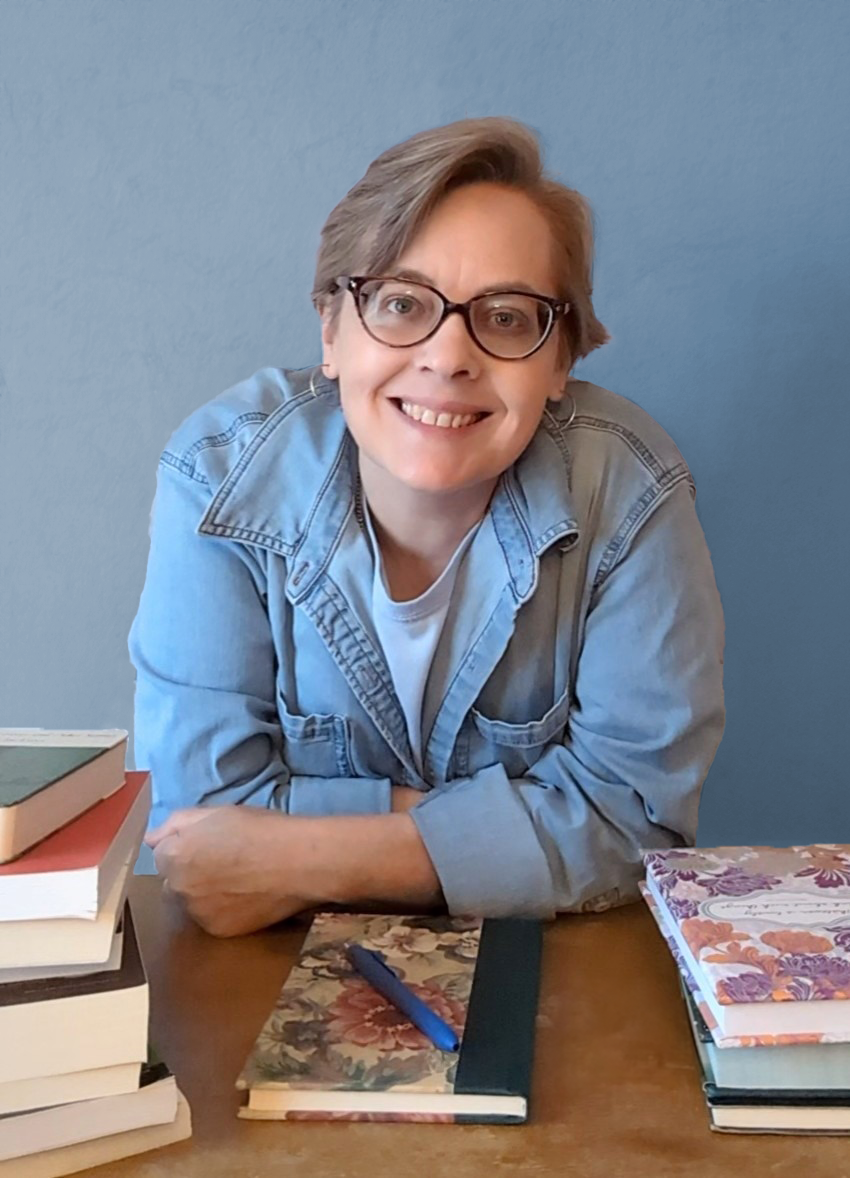
Donna Jo Stone is an award-winning, multi-genre author. She writes contemporary young adult, historical fiction, and southern fiction. Many of her novels are about tough issues, but she always ends her stories on a note of hope. Finding the faith to carry on through hard battles in a common theme in Donna Jo’s books. For the latest news on upcoming releases and other author news, sign up for Donna Jo’s newsletter at donnajostone.com.
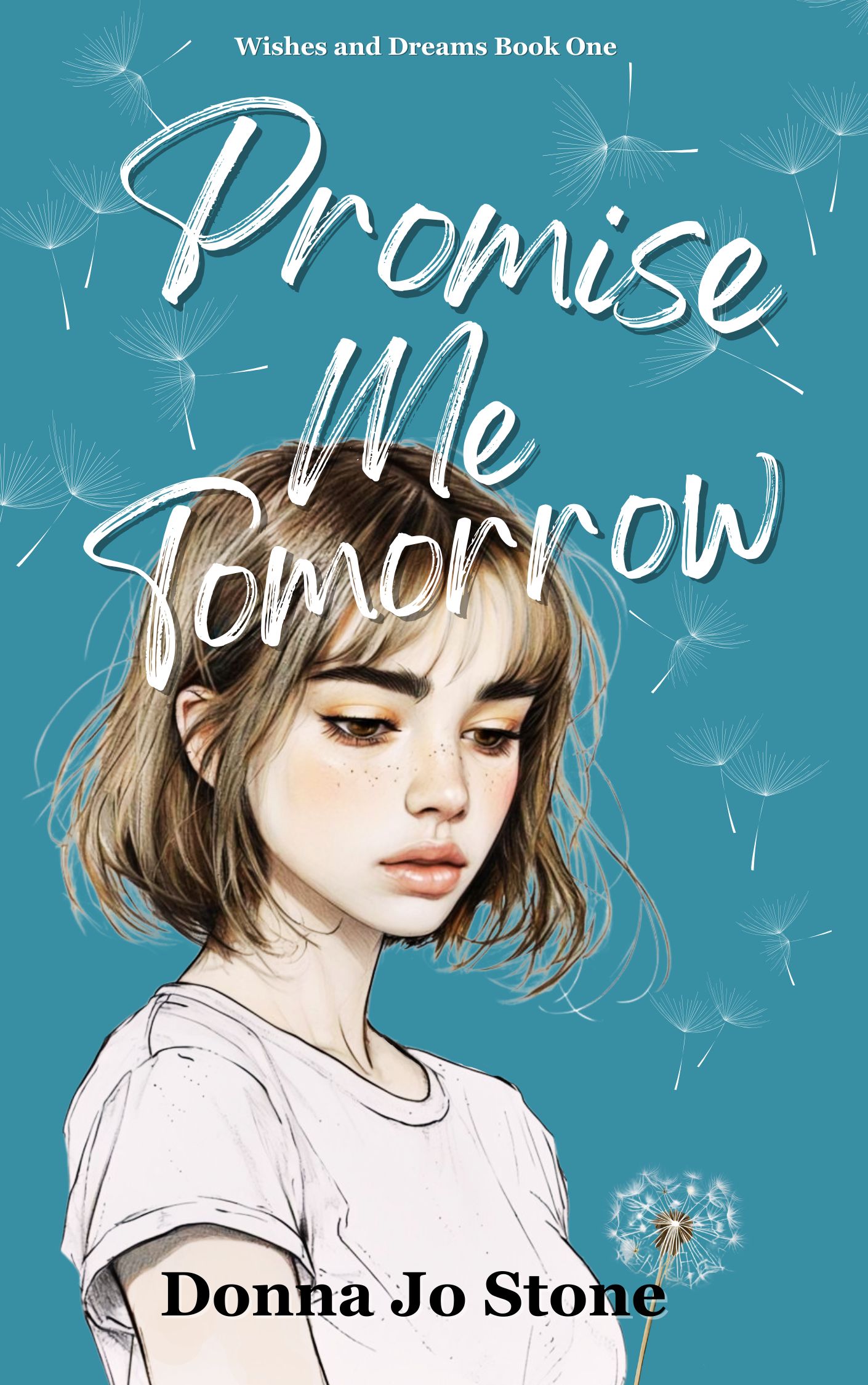
Sometimes the only way to hold on is by learning to let go.
All sixteen-year-old autistic artist Nina thought about before was earning the privilege to paint the school mural, and possibly untangling her emotions about a certain boy. But then she found out about her mom’s terminal cancer. After that, nothing mattered except finding a miracle cure for Mom.
Small Town Contemporary YA with Sweet Romance. Available in ebook, paperback, and on KU.


No Comments