
Can you share a little about your recent book?
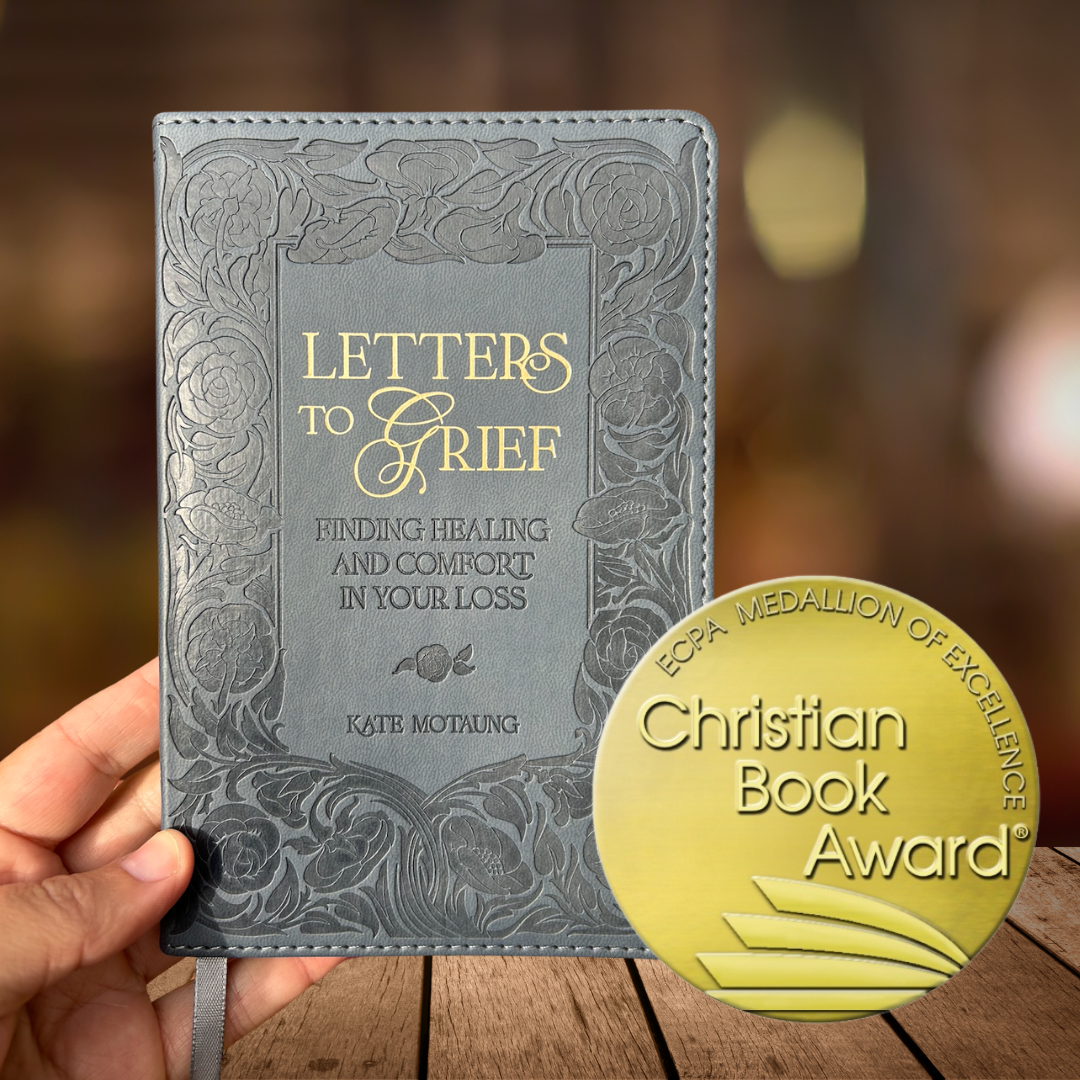
Letters to Grief is a Christian gift book that includes twelve poetic letters to grief personified. Each section includes Each section includes an opening Scripture passage for meditation, a letter to grief personified, lyrics from a related hymn, questions for reflection, guided prayer, and lined pages for journaling.
Rather than being a “prescriptive” book instructing others how to grieve, this gentle, poetic offering provides descriptive vocabulary to help hurting individuals find words to articulate and express their heartache after loss.
Why do you write? Do you have a theme, message, or goal for your books?
I am passionate about writing faith-based creative nonfiction that points others to the hope found in Jesus Christ and increases their desire to spend eternity with Him.
How long have you been writing?
Since 2010.
And how long did it take you to get your first major book contract? Or are you published non-traditionally? How did that come about?
I pitched my first book proposal in March 2015 and signed the contract in October 2015.
Which of your books is your favorite?
I would say my memoir, A Place to Land: A Story of Longing and Belonging, took the greatest emotional toll on me and was the most taxing for me as a writer. However, it is also the book that is closest to my heart and that I am most proud of.
Tell us about an award you won that was particularly meaningful.
My book, Letters to Grief, won the 2025 ECPA Christian Book Award in the Devotion and Gift Category. I admit it felt strange to win an award with a book about grief, but my hope is that the award will help the book reach more people who have experienced the heartache of loss.
How long does it take you to write a book?
It depends on the book and the scope of the project. With A Place to Land, the whole process from start to finish (from pitch to publication, including multiple rounds of editing) took about four years. With 101 Prayers for Comfort in Difficult Times, I think I managed to write the whole book in about three months.
What’s your writing work schedule like?
Again, it depends on the scope of the project. When I am on a deadline for a full-length book, I will often block off chunks of time on my calendar so I can go to the library or coffee shop for some uninterrupted, focused time without the usual distractions. It took me a while to believe my writing was a justifiable reason to turn down other invitations or opportunities, but it became necessary for me to take it seriously if I wanted to complete a project.
Do you have an interesting writing quirk? If so, what is it?
I will usually have a different “writing location” for each project I’m working on. For example, with A Place to Land, I primarily wrote from a specific cubicle at my local library or a specific Starbucks. For 101 Prayers for Comfort in Difficult Times, I often sat at a high-top table at my favorite local bakery. There’s something about getting out of the house and being in the same place over and over that helped me “get in the zone” to focus on a particular project.
What has been your greatest joy(s) in your writing career?
It is always so meaningful to me when a reader takes time to send me a note (via email or social media) to tell me how much my work meant to them. And in the Lord’s kindness, He often brings me encouragement like that on days when I’m questioning whether this writing life is really worth it.
Could you tell us about a dark moment in your writing career?
Writing A Place to Land was quite emotionally taxing, as I dug deep into the days of my mom’s cancer journey and eventual death. There were many days when I sat crying in Starbucks as I recounted certain scenes on the page. It always took me at least a few hours (if not a few days) to “recover” from those writing sessions, but in the end, the work proved to be therapeutic and healing for me.
How many times in your career have you experienced rejection? How did they shape you?
Oh, too many times to count! It stings a little each time, but also provides motivation to keep trying. In fact, Letters to Grief, which recently won the 2025 ECPA Christian Book Award was first rejected in 2015 by the same publishing professional who, seven years later, reached out and asked if he could buy the same book with a different publishing company. So, you just never know what’s going to happen!
Where do you get your ideas?
I most often write from personal life experiences and then try to make them as relatable and applicable to the reader as possible.
Who is your favorite author to read?
Oh, that’s a tough one! I have many. One of my favorite Christian historical fiction authors is Lynn Austin.
What advice can you give aspiring writers that you wished you had gotten, or that you wished you would have heeded?
I wish I could go back and tell myself that having my name on the cover of a book is cool, but it’s not going to change my life. I would want aspiring writers to know that your work can be meaningful and make a positive difference even if you are never traditionally published with a full-length book.
What are common mistakes you see aspiring writers make?
Some writers agonize for years on the same project, going back and forth and questioning the quality of their work or doubting their ability. I would encourage writers to just take the risk, put it out there, be open to constructive criticism, and when appropriate, go back and make the necessary improvements. In my opinion, it’s more beneficial to finish a project and make it available to readers than to keep it hidden or private for fear of a negative response.
Where/How do you recommend writers try to break into the market?
I’ve really enjoyed meeting publishing professionals and fellow writers at writing conferences. I do think it helps to meet people face-to-face when possible. Having said that, there were many years when I had young kids at home and we didn’t have the budget or the childcare means for me to attend conferences. If that’s the case, there are certainly plenty of incredible online writing communities where writers can build meaningful connections.
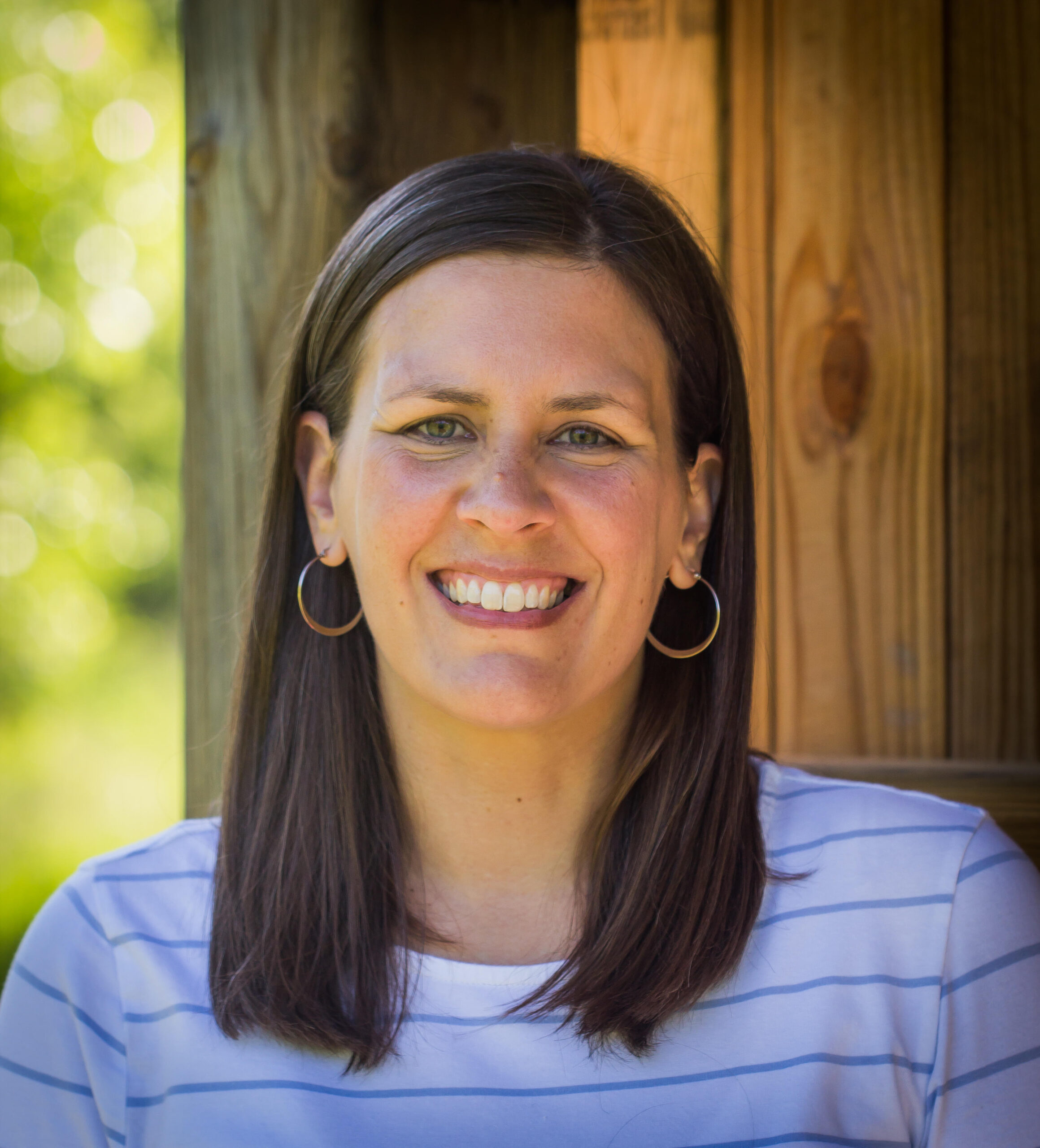
Kate Motaung is the award-winning author of several books including Letters to Grief (Winner of the 2025 ECPA Christian Book Award), 101 Prayers for Comfort in Difficult Times, and the memoir, A Place to Land: A Story of Longing and Belonging. Kate is also the host of Five Minute Friday, an online writing community that equips and encourages Christian writers and owner of Refine Services, a company that offers editing services. She and her husband have three young adult children and currently live in West Michigan. Find Kate’s books at katemotaung.com/books or connect with Kate on Instagram @katemotaung. You can also find Kate on Facebook.
1 Comment
That’s cool to hear Letters to Grief was bought seven years later by the one who first rejected it. Perseverance pays off!