Earlier this month, I started a new side hustle that I have really enjoyed, which has allowed me to earn some extra money. This remote job allows me the flexibility and freedom to make money and help others while working from home.
The job only requires a good wired internet connection and a good wired headset and a workspace to work with no distractions or background noises. The work consists of logging into the interface website to be connected with somebody from anywhere in the world to have a brief 15-minute conversation about a topic you both feel comfortable discussing.
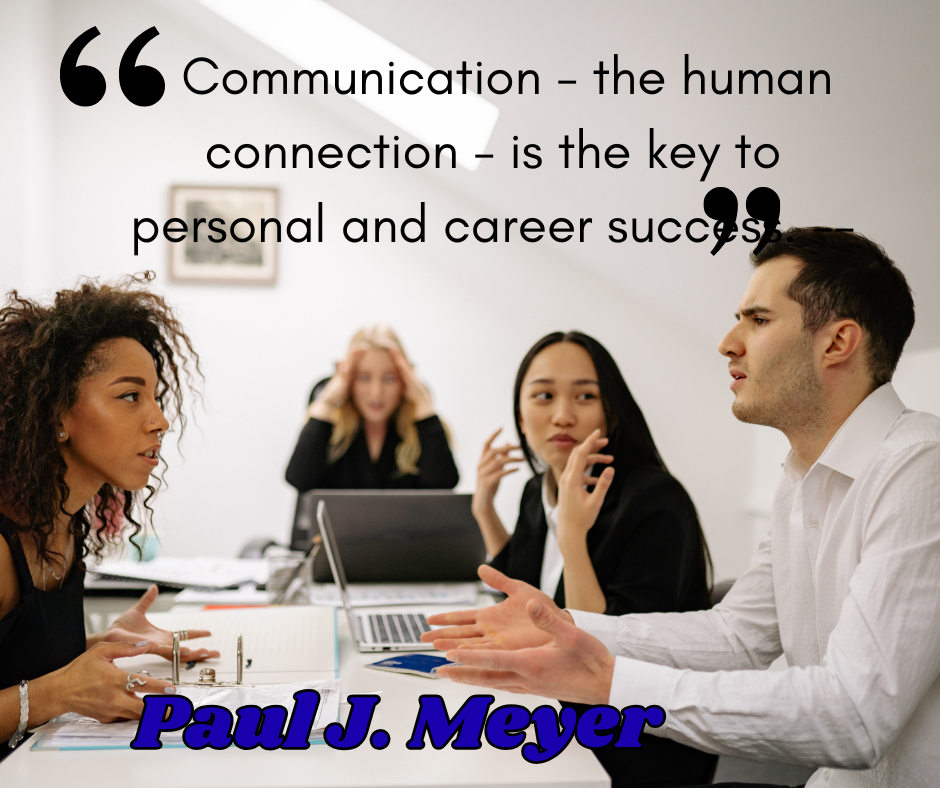
The website records the conversation and uses it to train future AI models. The job has been more than just a source of additional income; it is become therapeutic for me. I get to listen to other people’s stories and experiences, while also sharing my own. However, I have been reminded that not everyone is a good communicator. Some:
- Talk too much
- Don’t show emotion
- Unable to focus
- Don’t know how to listen
It is fun to learn about the different cultures and experiences of others. Sometimes, I get wrapped up in their stories and forget about my own problems and concerns.
I never expected to feel empathy or sympathy over the struggles of people I don’t know and cannot see. But, that is one of the ways our stories connect each of us. I have also had the opportunity many times to share about my disabilities, struggles, and how God has helped me through those times.
To be honest, hearing all of these stories and sharing mine have almost overwhelmed me, but in a good way. But that is the power of a story.
What’s Your Story
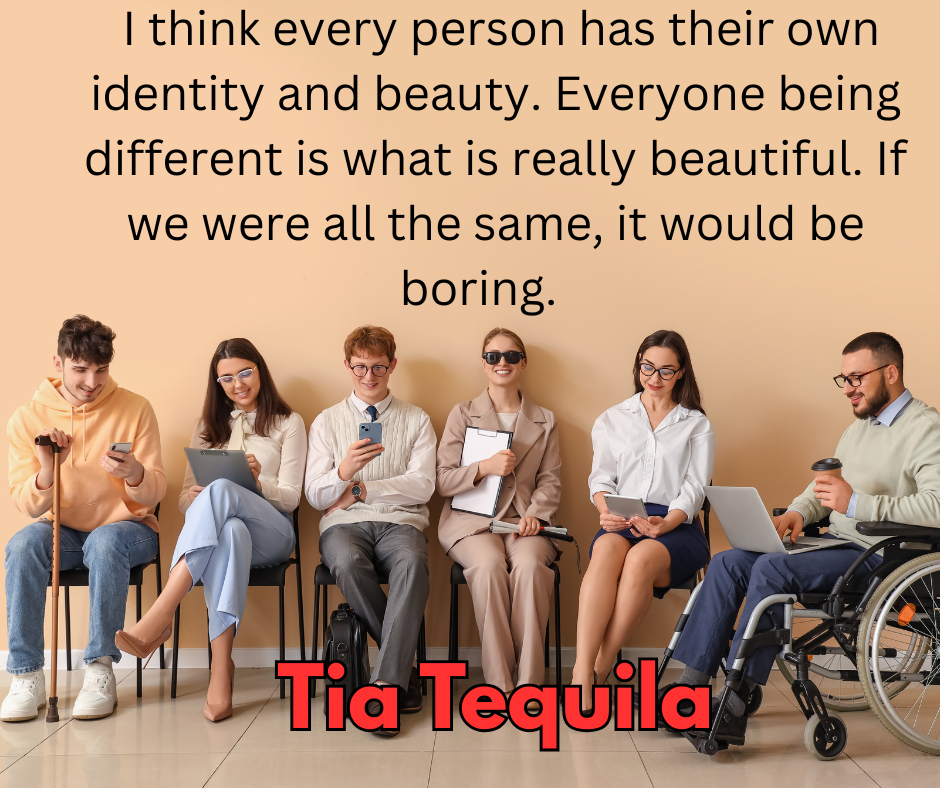
One of the beautiful things about life is that God made us all different in many ways. We have different appearances, abilities, and life experiences that make each of us unique.
Since becoming part of the disabled community, I have learned to pay attention to people more and better understand their needs and abilities. Because of this, I learned that we can learn so much from each other when we learn to listen more than we talk.
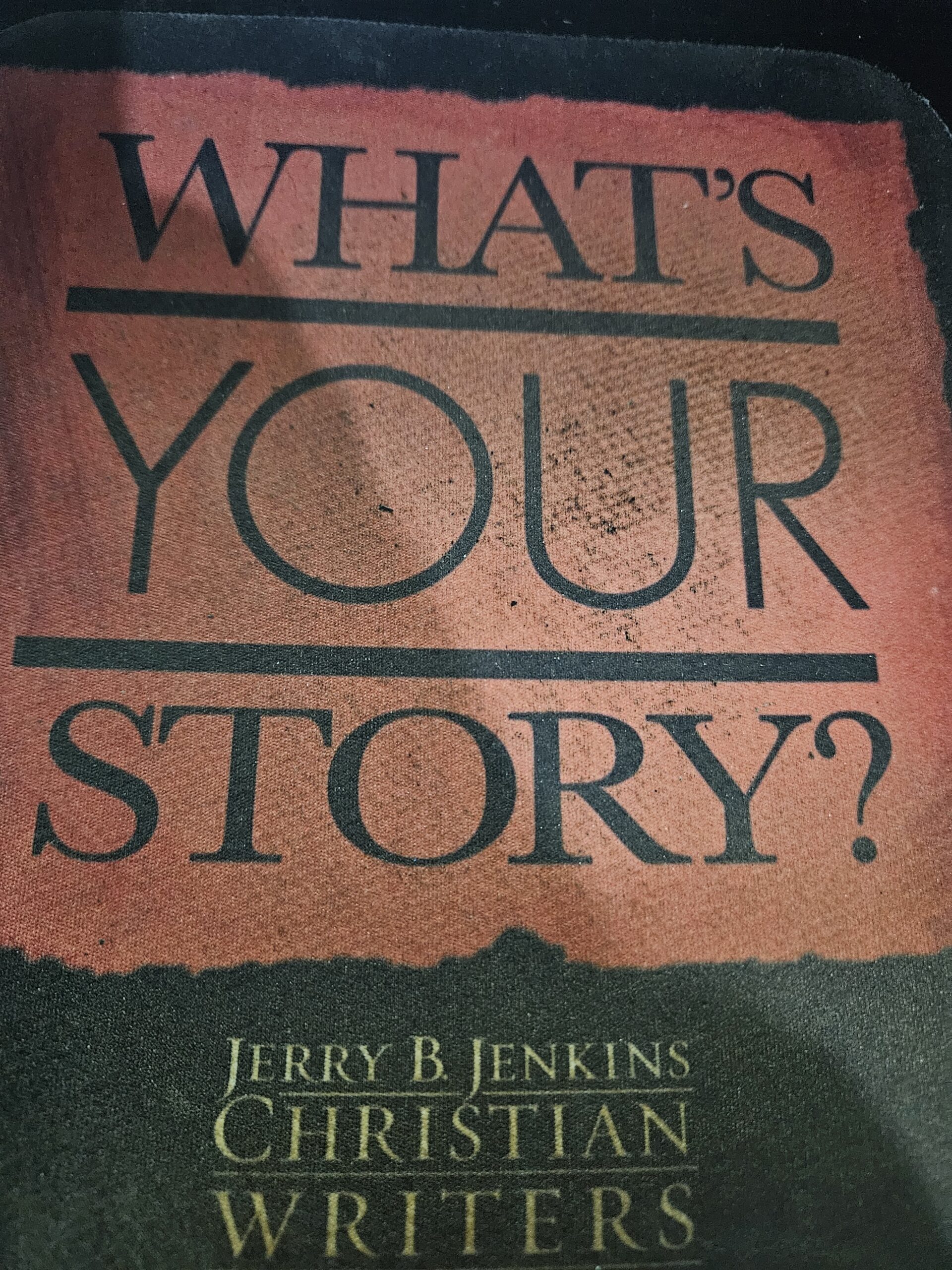
That allows us to learn from each other’s stories and life lessons. When I began training to become a writer, I joined a writer’s Guild and community that asked us, “What is your story?”
Writer’s Life
It doesn’t matter if you are a fiction or a nonfiction writer; we each have a unique story to tell. We all have something to share with others that may help them in life or on their own writing journey.
Every writer is different; we each have different backgrounds, abilities, and even writing voices. Writers have a unique opportunity to share their stories and help others grow, learn, or be encouraged.
A little over a decade ago, I went to a writing conference with a focus on learning how to share our stories in the clearest and best possible way. The Guild questions, “What is your story?” It’s a type of writing prompt to get writers to think about what they want to say or what they have to share with others.
“You can’t understand where someone’s going, unless you understand where they’ve been.”
Jerry B. Jenkins
Writing is chances to share your story and to help others better understand us and the world we live in.
Below are five tips for how much personal experience to share in your writing:
- Know what you want to be known for.
- Share personal experience in your writing about resolved issues.
- Write about the personal experience you find most interesting.
- Look at where you progressed most in your life.
- Write about what people asked you the most.
Use these tips as writing prompts to help you tell your individual story. In the writing community, many think we need to be experts at specific things to have something to write about. However, we are all experts at something that no one else can claim.
We don’t need to be formal or recognized experts to be able to share our insights and experiences; we just need to share our unique experiences and stories.
One of my favorite things to do in my writing is to share a personal story or life experience that was difficult for me to go through with my audience. It is my hope that it will encourage or help my reader to push through whatever they are struggling with.
I also hope that it will help my audience better understand my perspective or those in the disabled community. In fact, my goal as a writer is to not only entertain, but to enlighten and guide my audience with helpful insights and valuable real life application knowledge.
When I first got into writing, I learned the golden rule, “Think audience first.” Our goals as writers isn’t to be rich or successful, but to benefit and help our audience in one way or another.
Similar Stories
One of the things I have learned doing my side hustle is that, regardless of our differences, most people have similar stories that we can each relate to or have experienced from a different perspective.
In a way, I have looked at my conversations as an outreach to help inspire the other person who may need help or encouragement at that time. I am getting paid to learn AI models, but I’m also able to help my conversation partner to deal with their own struggles and concerns.
Just like in the disabled community, we all need help and encouragement at some point on our recovery journey. And in one of my recent calls with a young woman, I learned she was struggling with anxiety and depression by listening to her questions and responses I could pick up on how she was feeling:
- Emotional
- Anxious
- Depressed
The young woman was an immigrant who was afraid to ask her family for help, but she felt open to discussing her struggles with a stranger over an online conversation. I encouraged her to reach out for professional help, and hopefully, I left her in a better place than she was before our conversation.
It’s the same way with writers; we have an opportunity to help our readers, and that is why we must think about our readers first. Like with any side hustle, making money shouldn’t be our own motivation or goal. Our stories matter, no matter how typical or common they may seem. So I leave you with this question: What’s your story?

Martin Johnson survived a severe car accident with a (T.B.I.) Traumatic brain injury which left him legally blind and partially paralyzed on the left side. He is an award-winning Christian screenwriter who has recently finished his first Christian nonfiction book. Martin has spent the last nine years volunteering as an ambassador and promoter for Promise Keepers ministries. While speaking to local men’s ministries he shares his testimony. He explains The Jesus Paradigm and how following Jesus changes what matters most in our lives. Martin lives in a Georgia and connects with readers at MartinThomasJohnson.com and on Twitter at mtjohnson51.


No Comments