

It happens to us all at one time or another. Words won’t come and dread of facing the blank page threatens to sap every spark of creative energy. One helpful strategy to get unstuck is to use a familiar story as inspiration, or even as a framework. When I recently wrote a fairytale-inspired novella, I took it as a challenge to subtly weave in every element possible, but along the way I realized it might have been easier to echo a story structure!
By analyzing the workings of a well-loved story, writers can borrow elements to come up with a fresh, original tale. Classics offer timeless universal themes, compelling characters, and solid structures, so I’ll use three of my favorites as examples: Little Women, The Lion, the Witch and the Wardrobe, and The Pilgrim’s Progress.
For me, when I think of Little Women, it’s the characters of Meg, Jo, Amy, and Beth that spring to mind rather than the themes. With The Pilgrm’s Progress, it’s the theme first, and with The Lion the Witch and the Wardrobe, it’s the allegory and the deep emotional reaction I have every time I revisit it. (My writing buddy, Amy Walsh, says that I feel this way because Little Women is character driven, Pilgrim’s Progress is a morality tale, and The Lion the Witch and the Wardrobe is the best metaphor of what Christ did for us in all of literature.)
In my opinion, there’s no wrong way to approach analyzing literature for the purpose of finding inspiration for you own story, and no wrong place to start. Adapt the suggestions below to suit your unique style, and use the elements as a springboard for your imagination rather than a rigid blueprint.
Themes and Emotional Cores
In Little Women, Louisa May Alcott explores family bonds, personal growth, ambition, and moral choices as the March sisters move toward adulthood. There are themes of sibling rivalry, the pursuit of creative dreams, and learning to navigate societal expectations (all of which go way deeper than one word or concept and require thought to parse out, but you get the idea). The Lion, the Witch, and the Wardrobe has a message of courage, good versus evil, and Christ’s sacrifice for us. The magical world of Narnia amplifies the themes. The Pilgrim’s Progress presents the idea of life as a journey. Christian’s perseverance, faith, and his moral struggle between right and wrong give the story its allegorical power. Author Christina Shaw uses this in her YA book, Light-Bringer, drawing on elements of The Pilgrim’s Progress.
If starting with theme, ask yourself what core message speaks to you most and how it could connect with modern readers.
Character Archetypes as a Pattern
In Little Women, the March sisters are instantly recognizable. Jo is the independent rebel, Meg the conscientiouscaretaker, Beth the gentle, selfless soul, and Amy the ambitious artist. These archetypes can inspire your characters’ personalities, relationships, and arc, either by mirroring them, inverting them, or blending traits for originality. A similar structure emerges in The Lion, the Witch and the Wardrobe. Peter is brave and responsible, Susan cautious and practical, Edmund flawed but capable of redemption, and Lucy curious and kindhearted. Together, the balance of strengths and weaknesses, and the family dynamics, give the story relatability and depth. The Pilgrim’s Progress focuses on a single central figure, Christian, determined yet sometimes fearful, as he encounters story people who personify virtues, vices, and guidance.
Authors often use architype characters and give them mentors, put them to moral tests and situations of conflict, and so on, shaping the protagonist’s growth.
Setting and World-Building
Think about the environment your characters inhabit and how it influences them. For the March sisters in Little Women, 19th-century New England shapes their social and personal challenges, as does home itself. Narnia offers a fantastical realm full of danger and wonder, amplifying the children’s tests and triumphs. The Pilgrim’s Progress uses allegorical landscapes like the Slough of Despond or Vanity Fair to represent internal struggles and moral lessons, turning setting into a storytelling tool to evoke meaning. Writers can create a backdrop that’s magical, futuristic, or even symbolic, where the rules of the storyscape enhance the story’s emotional and narrative stakes.
Plot Structure and Story Arc
How does the tale you’re studying unfold? Little Women balances individual arcs with a larger family narrative as each sister wrestles with personal challenges while collectively growing together. This structure provides multiple character arcs without losing cohesion. The Lion, the Witch, and the Wardrobe combines inner maturing with a magical adventure when the children enter a strange world, face tests, make moral choices, and participate in a climactic battle in a dual-layered structure. The Pilgrim’s Progress is a journey narrative. Christian leaves home, encounters trials, receives guidance, learns from mistakes, and reaches a meaningful destination. This quest format provides momentum, a sense of progression, and a satisfying resolution.
Adding Your Own Voice
So far, I’ve talked about borrowing elements, but every story needs its own voice. Add a twist. Change the historical time period, genre, or world. Introduce contemporary conflicts, or reimagine character roles.
What if four friends based on the March sister architypes were forced to survive in a dystopian environment? What if a Narnia-inspired portal sent characters into a digital realm? Or perhaps you can imagine crafting a modern allegory where a protagonist navigates moral and personal challenges in a city filled with symbolic trials, echoing The Pilgrim’s Progress.
Don’t stop at these three classics, though. Use any good story or novels.
“Jane Eyre and A Tree Grows in Brooklyn had some influence on The Uncertainty of Fire. Jane Eyre because I knew Whimsy (the MC) would need some moral fortitude and have to stand by her convictions… and the difficulties she faced (in Bridgeport) reminded me a lot of Francie Nolan’s.”
YA author Stephanie Daniels
Author Rachel Kovaciny’s series Once Upon a Western is a fresh take on fairytales. She told me she was even inspired by Beauty and the Beast retellings to flip her female MC in My Rock and My Refuge to be completely different from the Beauty characters she was reading about.
Let creativity reshape favorite tales into something original and exciting while using familiar elements as a starting place, and you’ll be on your way.

Donna Jo Stone is an award-winning, multi-genre author. She writes contemporary young adult, historical fiction, and southern fiction. Many of her novels are about tough issues, but she always ends her stories on a note of hope. Finding the faith to carry on through hard battles in a common theme in Donna Jo’s books. Her novel When the Wildflowers Bloom Again is a 2025 ACFW Carol Award Winner.
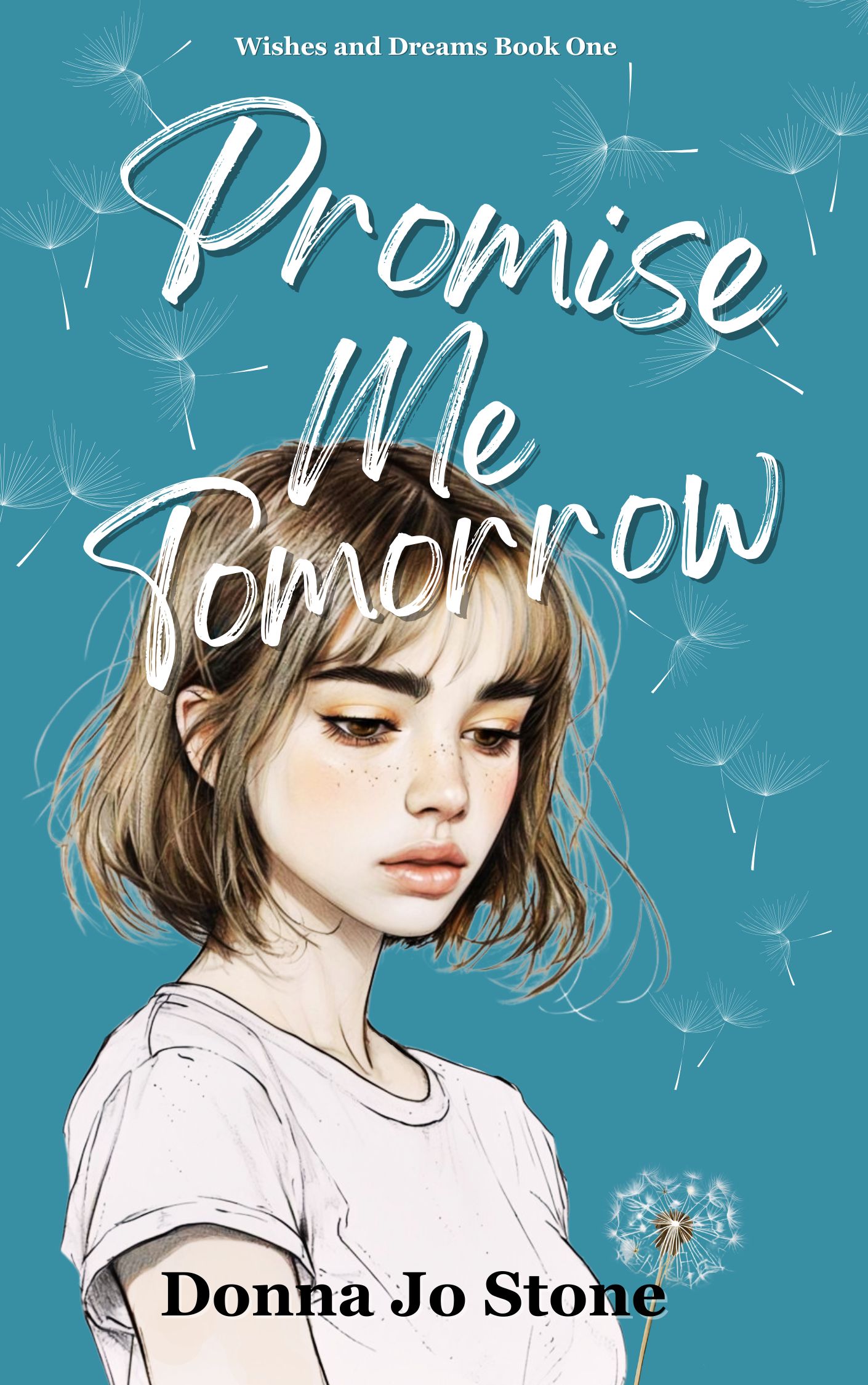
Her contemporary young adult novel, Promise Me Tomorrow, is available in ebook, print, and KU. For the latest news on upcoming releases and other author news, sign up for Donna Jo’s newsletter at donnajostone.com.
No Comments