

After you submit your proposal to an editor or a literary agent, many writers begin to fixate on their email box or their regular mailbox. Why? They are looking for a response and that is not the course of action that I suggest. Instead I encourage you to develop patience while waiting for the response and get to work on more ideas and proposals out the door.
For years, I’ve been involved in the writing community—as a writer and also as an editor. From talking with writers at conferences, I know that they often like to choose an easy target for complaining—editors and publishers. The editor takes too long to respond, they lose the manuscript or the manuscript is returned dog-eared with coffee spills and a rejection letter.
In some early articles, I explained that an editor has much more to do than read your proposal or idea—no matter how brilliant or excellent or perfect for that publisher. From my perspective, these writers who complain are simply trying to point the finger away from themselves and their own lack of skill.
I also meet with writers at conferences on an individual basis where I listen to their ideas. Whenever I realize it’s unlikely that their idea will fly in any publishing house, I try and say something gracious and let them down gently. The next time, I return to this same conference, and this same writer meets with me about the same idea. Or maybe they have modified it ever so slightly. Possibly last time, the idea was a Christian living book and now it has been changed into a series of devotions—but it is basically the same unworkable concept from the year before.
Like many professional writers, I have a series of folders in my files of book proposals that I never sold. Despite my many book sales, I have not sold every idea or every concept. Rejection continues to be a part of my writing life. I’ve learned to accept that some of these ideas just haven’t found the right home or maybe I haven’t shaped them in the right way—yet—or possibly never will.

When I hear writers complaining about the slow response from editors, I tend to take a different course of action—and one that I recommend you take as well. Instead of pacing back and forth to my mailbox or checking my email, I turn and begin more projects. For example, at the moment, my writing schedule isn’t completely full. I’d like to have a few more book contracts in the works. While some editor may call me tomorrow and fill my schedule, it’s like getting struck by lightning—I’m not counting on it.
Instead, I am proactively working every day to create new projects and new opportunities. In the early days of television, I watched the Ed Sullivan Show. One of his frequent guests was a man who came out with a number of long sticks and China dinner plates. He would begin with one spinning plate, and, in a matter of minutes, this performer had the entire stage covered with sticks and spinning plates. If you need to have more writing work, what are you actively doing to fill your writing schedule? How can you spin some additional plates?
After you complete your particular book proposal using the secrets in this book, start another book proposal and get this second idea into the marketplace. Or write something shorter like a magazine article, and then write some query letters, snag an assignment and begin the article. The prolific and productive writers that I know are all working on multiple projects.
Every writer needs to learn patience, and the best way I’ve been able to handle patience is to plunge into a new endeavor. I recommend you take the same course of action and create more writing projects. It will improve your possibilities for success, as well as consistent and continued work.

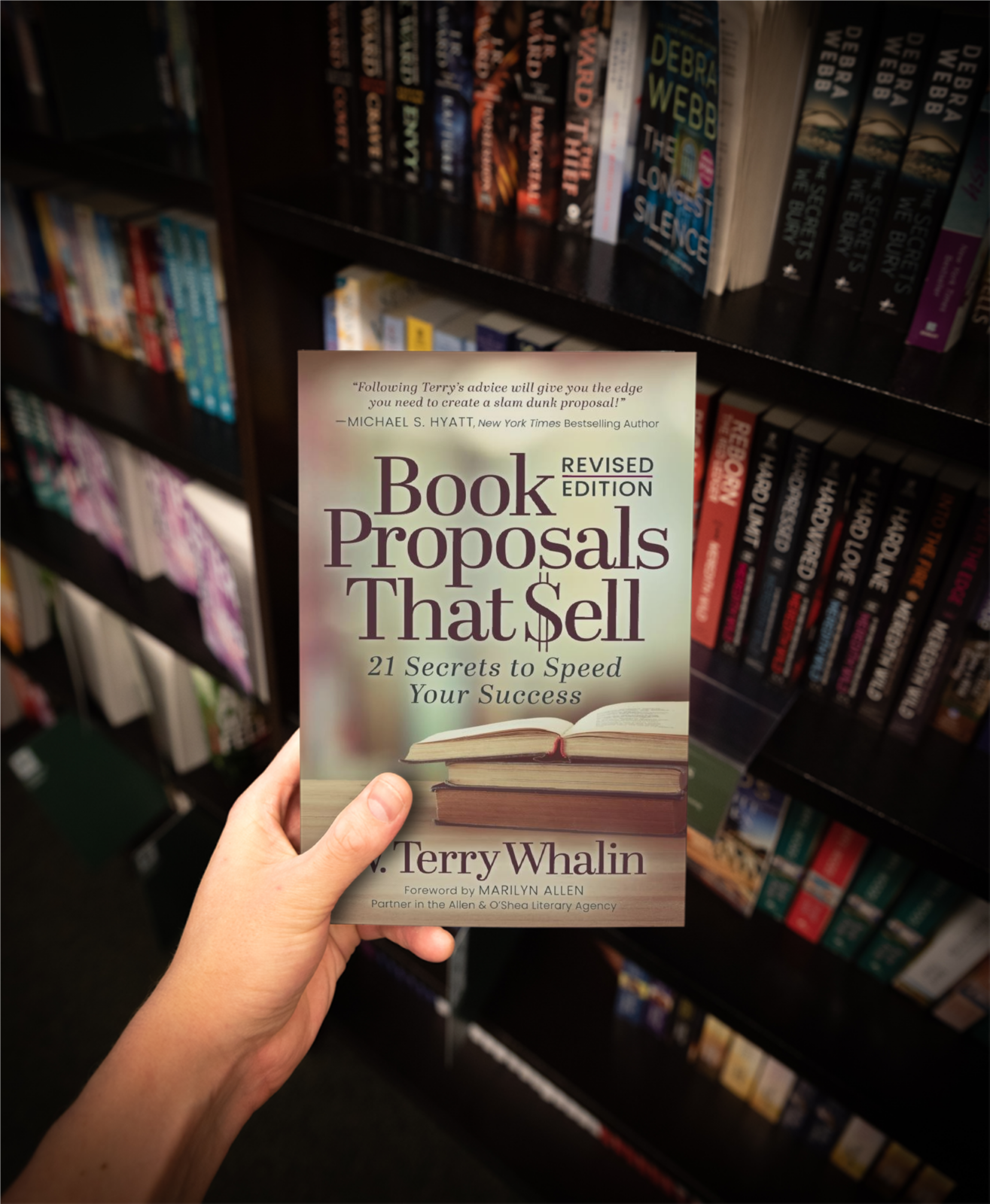
W. Terry Whalin, a writer and acquisitions editor lives in California. A former magazine editor and former literary agent, Terry is an acquisitions editor at Morgan James Publishing. He has written more than 60 nonfiction books including Jumpstart Your Publishing Dreams and Billy Graham. To help writers catch the attention of editors and agents, Terry wrote his bestselling Book Proposals That $ell, 21 Secrets To Speed Your Success. Get a free copy of his proposal book (follow the link). Check out his free Ebook, Platform Building Ideas for Every Author. His website is located at: www.terrywhalin.com. Connect with Terry on Twitter, Facebook, his blog and LinkedIn.


No Comments