Earlier this month, I had a phone conference with a low vision specialist and an eye doctor to assess my vision and specific needs before continuing the process of becoming a certified personal trainer, fitness specialist, brain health coach, and nutritionist.
The process has consumed a lot more time than I expected. As I write this, it has been one year since I first applied to the state-run program for vocational rehabilitation. But as with anything involved with the government and finances, I must patiently go through each step of the process.
- Mental evaluation
- Standard eye exam
- Skills test assessment
- Low vision screening
- Listening and learning
I had to adapt to living life with a T.B.I. even though I could still do a lot of the things I used to. I had to get used to my “new normal.”
What Is Adaptability
Growing up as an Army brat, I moved around the world and country a lot with my parents. With each move came new experiences, cultures, and expectations. Things that were acceptable or practiced in one community weren’t always the norm in the new community we moved to.
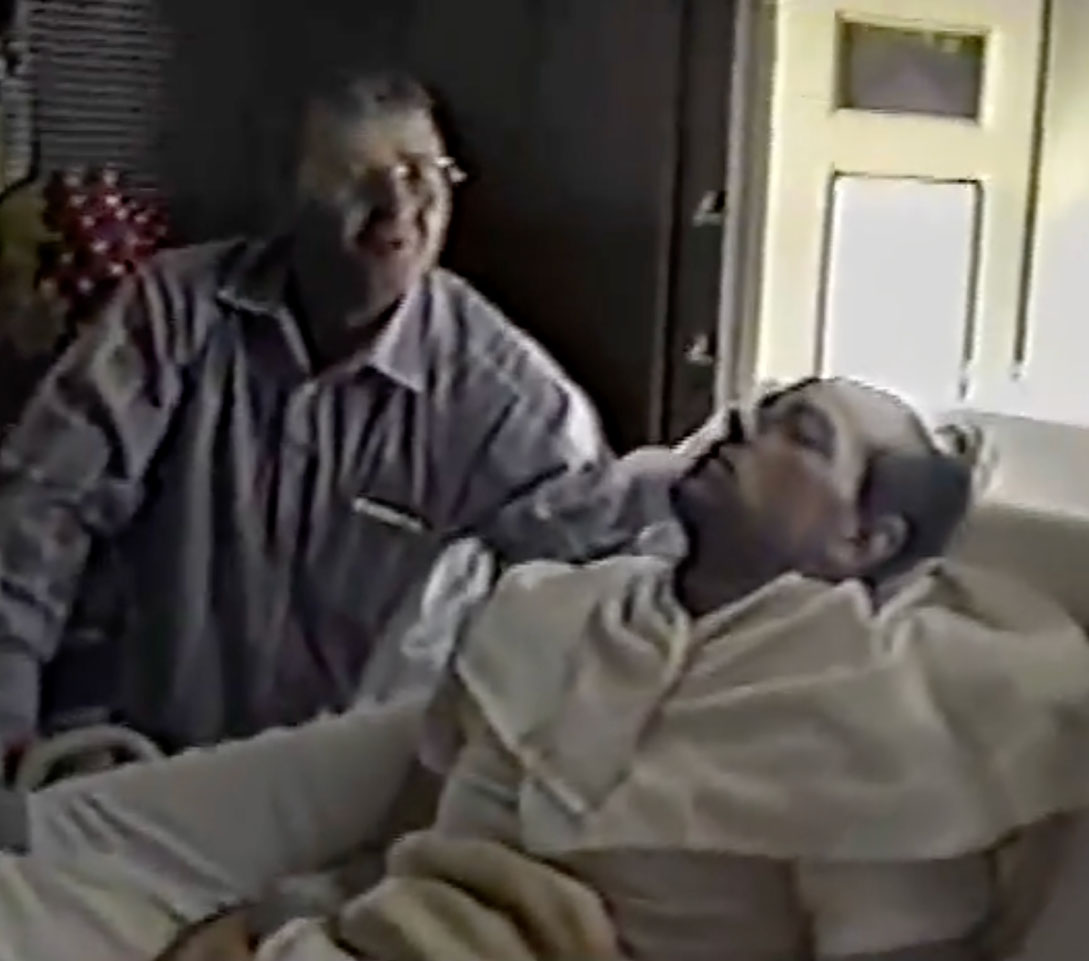
As a growing child, I had to learn to adapt and learn new customs and beliefs. I believe it was the military lifestyle that helped me learn how to be adaptable. Adaptability is defined as “The quality or state of being adaptable: adjustable.”
Life and the world we live in are constantly changing, mostly out of our own control. If we aren’t adaptable, we can easily become confused and hindered by the changes. Learning to adapt helps us adjust to our new surroundings or circumstances, whether that’s writing a book or relearning something we used to know how to do.
The Writer’s Life
As most of us know, the writing journey can be difficult, especially when the industry is constantly changing—or so it would seem. When I began my writing journey, self-publishing was just emerging.
Most established writers and industry insiders were skeptical and even against the idea of “Cutting corners” to achieve publication. Over the past 17 years, that perspective has changed, and self-publication is more acceptable within the writing community.
Then came the invention of e-books that many feared would kill traditional books in print. While print books have seen a decline over the years, there are still plenty of good old paper books filling the shelves of bookstores today.
Today, the writing community is facing another technical adversary, the rise of AI in writing. What many consider a hindrance to the craft, others like myself have found a new outlet for practicing their writing skills and training AI models in many ways:
- Writing prompts
- Speech dictation
- Image comparison training
- Education
- Editing
Last month I began working on an AI speech module project, and now I am working to help train A.I. improve image recognition. Even technology needs to be trained to adapt.
If writers are going to thrive or survive in this ever-changing industry, we must learn to be adaptable and flexible to whatever comes down the pipeline. Jerry B Jenkins writes, “In any writer, I look for the-ilities: humility, teachability, coachability, availability, and flexibility.”
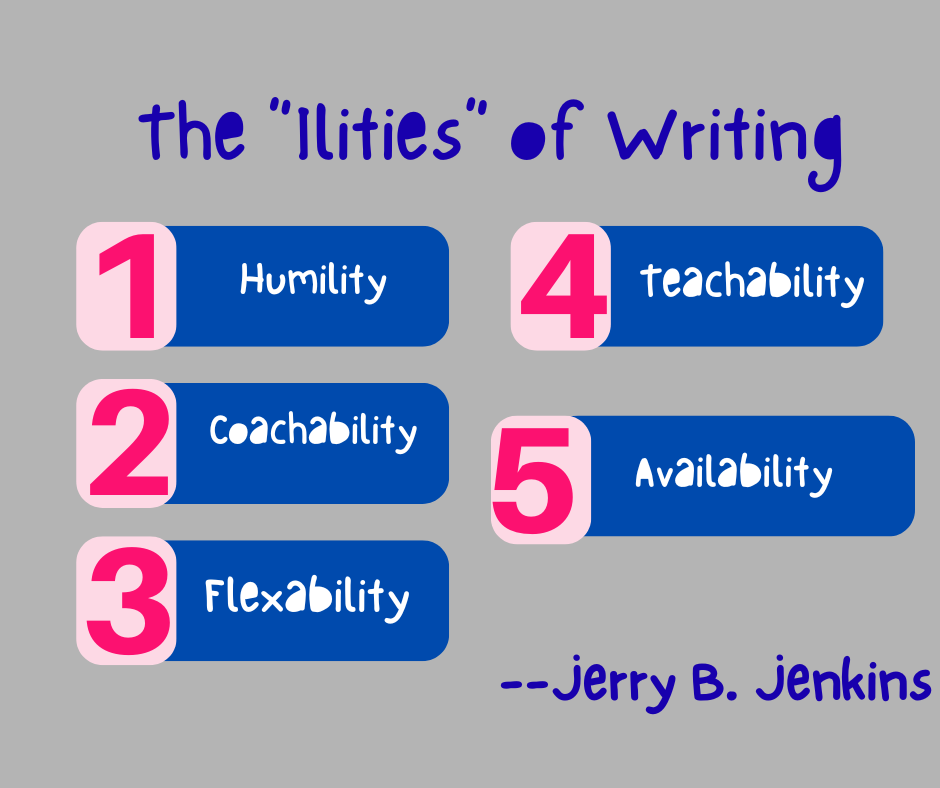
We live in a world that is changing faster than ever; being adaptable and flexible helps us adjust to these changes that are out of our control. The older you get, the more you realize that change is a constant part of life.
Change Is Good
Change can be hard for anyone because it forces us to get out of our comfort zones. One of the things I learned since becoming more physically active after my accident is how important it is to change up our workouts if we want to strengthen and build our muscles.
As I write this I am starting a new eight week workout cycle that I have not done in five months, so that my brain and body do not become used to my work out and plateau. Adapting my workout routines in intervals help keep me from getting burned out on going to the gym and allows my muscles to keep growing.
Although my muscles may get more sore or stiff, I know that the change in my work out is good. As I change it my workout routine, I am forcing my body and brain to adapt to a new process and my health journey:
- Challenge
- Grow
- Learn
During my low-vision evaluation, I learned a lot of new things about our bodies and brains that will help me in living with a disability. The eye specialist made a statement that floored me, even after living with a TBI for almost 30 years:
“Our eyes are the only part of our brains that we can see externally.”
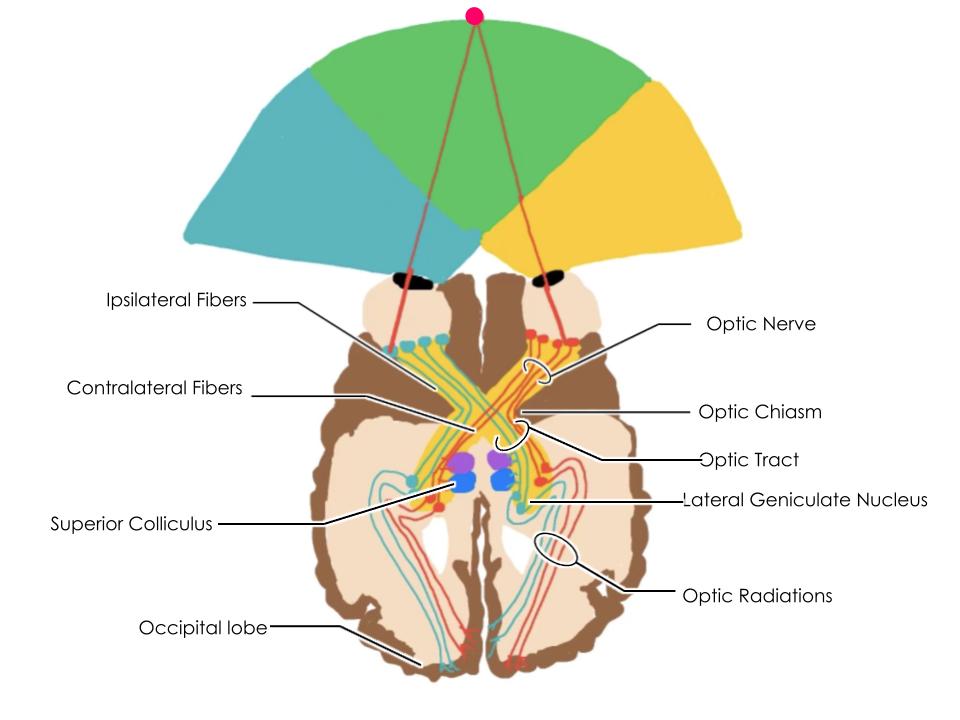
Our eyes are connected to one end of our optic nerve, which runs along the bottom of the brain and connects to the visual center at the base and back to the brain. So we can actually see a part of our brains on the outside of our bodies.
Due to my TBI, my brain had to rewire itself to function, and this rewiring affects my eyesight. Fortunately for me, there are assistive technologies to help persons with TBI’s to be adaptable.

Martin Johnson survived a severe car accident with a (T.B.I.) Traumatic brain injury which left him legally blind and partially paralyzed on the left side. He is an award-winning Christian screenwriter who has recently finished his first Christian nonfiction book. Martin has spent the last nine years volunteering as an ambassador and promoter for Promise Keepers ministries. While speaking to local men’s ministries he shares his testimony. He explains The Jesus Paradigm and how following Jesus changes what matters most in our lives. Martin lives in a Georgia and connects with readers at MartinThomasJohnson.com and on Twitter at mtjohnson51.

No Comments