

A few weeks ago, I accidentally corrupted the external hard drive where I keep all of my writing projects and video projects for safekeeping. The worst part is that it was all my fault because I was trying to rush to update my work computer.
Once I realized what happened, I sat and cried in my office because it was a careless mistake that should never have happened. The next day, I experienced a flood of emotions that left me feeling exhausted:
- Anger
- Sad
- Depressed
- Frustration
- Embarrassment
Honestly, I hadn’t felt that overwhelmed since my accident and then the death of my parents and grandmother, not long after my life-changing incident. In those early days, I spent a lot of time grieving.
I lost more than just my health and some physical abilities; I lost precious time, career opportunities, and even some friends. The grieving process is what led me back to God and my faith.
Once again, nearly 30 years later, I found myself grieving so many things that could have been easily protected if I had just slowed down and been more focused. We have all experienced grief in one way or another at some point in our lives.
What Is Grief
If you are more than one year old, you know grief is a part of life. We all grieve for different reasons and over different things. Grief is defined as “A deep and poignant distress caused by or as if by bereavement; a cause of such suffering.”
Some people grieve the end of summer and longer days, while others grieve declining health or financial losses. Unfortunately, many are also grieving the loss of loved ones for various reasons: death, divorce, or distance.
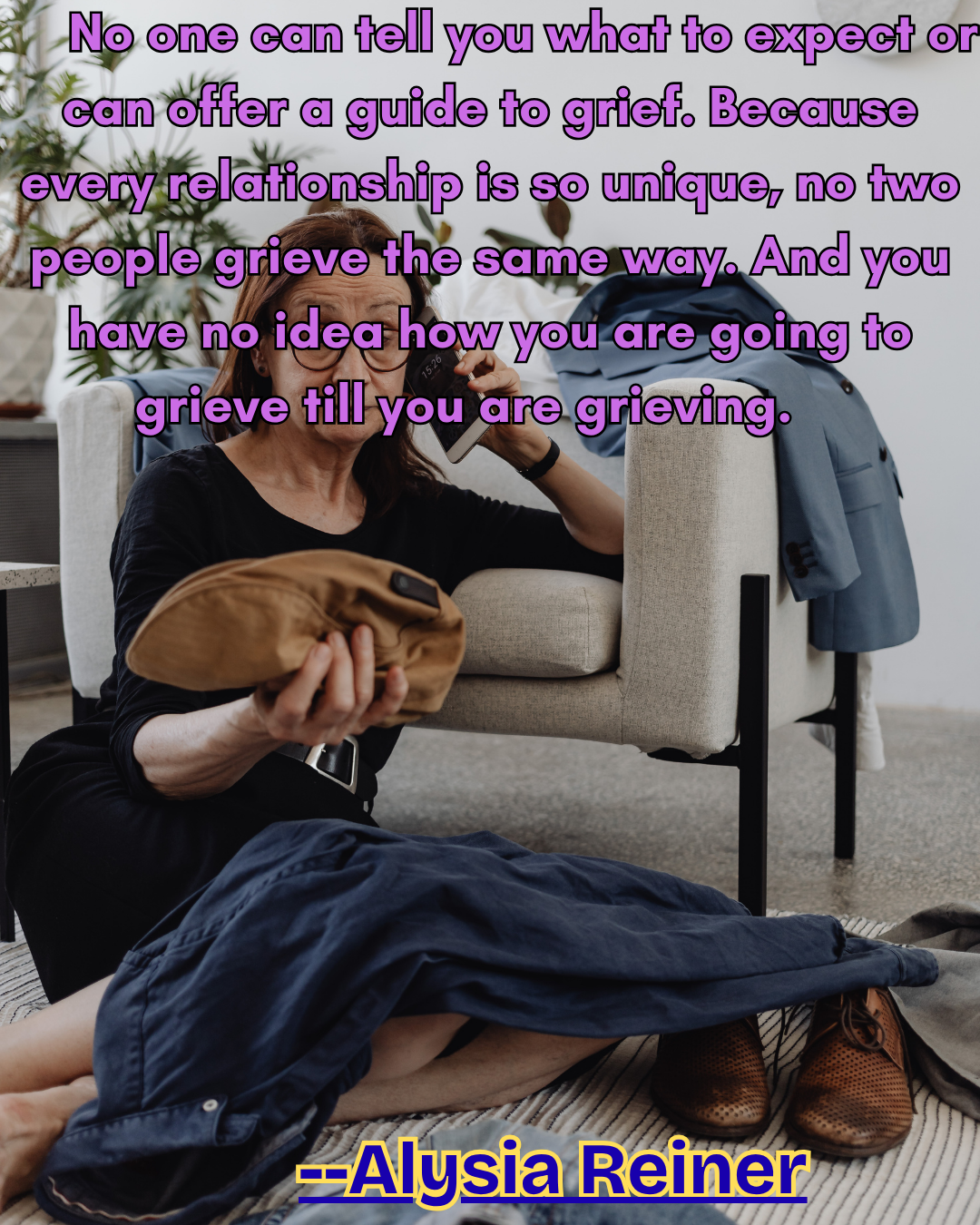
Let me be clear, it is never acceptable to lessen or belittle the source of another’s grief, because we all experience loss at some point in life. It is okay to grieve or lament over whatever you have lost or suffered regardless of what others may believe. Grief and loss are the fuel for some of the best and most relatable stories ever written, because people can connect with the feeling of grief.
The Writer’s Life
The writer’s life is full of ups and downs and even times of immense grief. Writers often feel grief over rejection letters or missed writing opportunities. A lot of writers never achieve their big dream of becoming a published author and grieve their broken dreams.
When things don’t turn out on our writing journey as we hope, it is normal to grieve lost time and resources. Even when things are going well, there are plenty of other hurdles to grieve in the writer’s life.
During my corrupted hard drive experience, I heard from other writers who have experienced the betrayal of technology and grieving their lost work and time as well. We connected over the embarrassment and frustration of how a simple mistake could wipe out all of our hard work and effort.
I also heard from a publisher of a magazine I contribute to about his entire website going down at the same time as I was grieving my corrupted hard drive. He was asking for prayers for the recovery of the lost files and damaged servers.
There are also seasons when writers grieve writer’s block or the motivation to be creative. While I was working on this month’s post, one of my writing instructors passed away unexpectedly, and another dear writing friend lost her spouse to a brutal and unforgiving disease.
Although we may grieve for different reasons, it is comforting to know we can grieve together in life and on our writing journeys. Below are some insights and tips on how to get through the seasons of grieving:
- It’s okay to or not to cry.
- There is no timeframe for grieving.
- Grief is a roller coaster.
- Remember, you are not alone.
- Give yourself grace.
- Your needs matter.

One of the things I have noticed in my times of leaving is that my perception of reality becomes distorted. I easily lose track of time. I quickly fatigue without doing much work. Of course, I cannot focus on anything other than my loss.
What needs my attention the most is given the least time. I have learned that I don’t have to have all of the answers or need to fix anything in the moment. It’s true, haste makes waste.
My best advice for grieving is that it is better to let go than to become stressed or overwhelmed over what is out of our control. That is why, during my time working on this article and other writing projects, I have not bothered to try to recover the lost information on my external hard drive or stress out about it. That way, I can focus on what needs my attention, and I let go of what distracts my attention.
Let It Go
I am not saying we cannot grieve our loss, especially our loved ones. I am simply saying don’t let your loss be your focus, we all still have lives to live and things that we want or need to accomplish.
After my accident, I was eager to get back to my “Old life.” I wanted to be the old Martin as quickly as possible, but it didn’t take long for me to realize that would never happen. My old hobbies and interests were not realistic with my new inabilities.
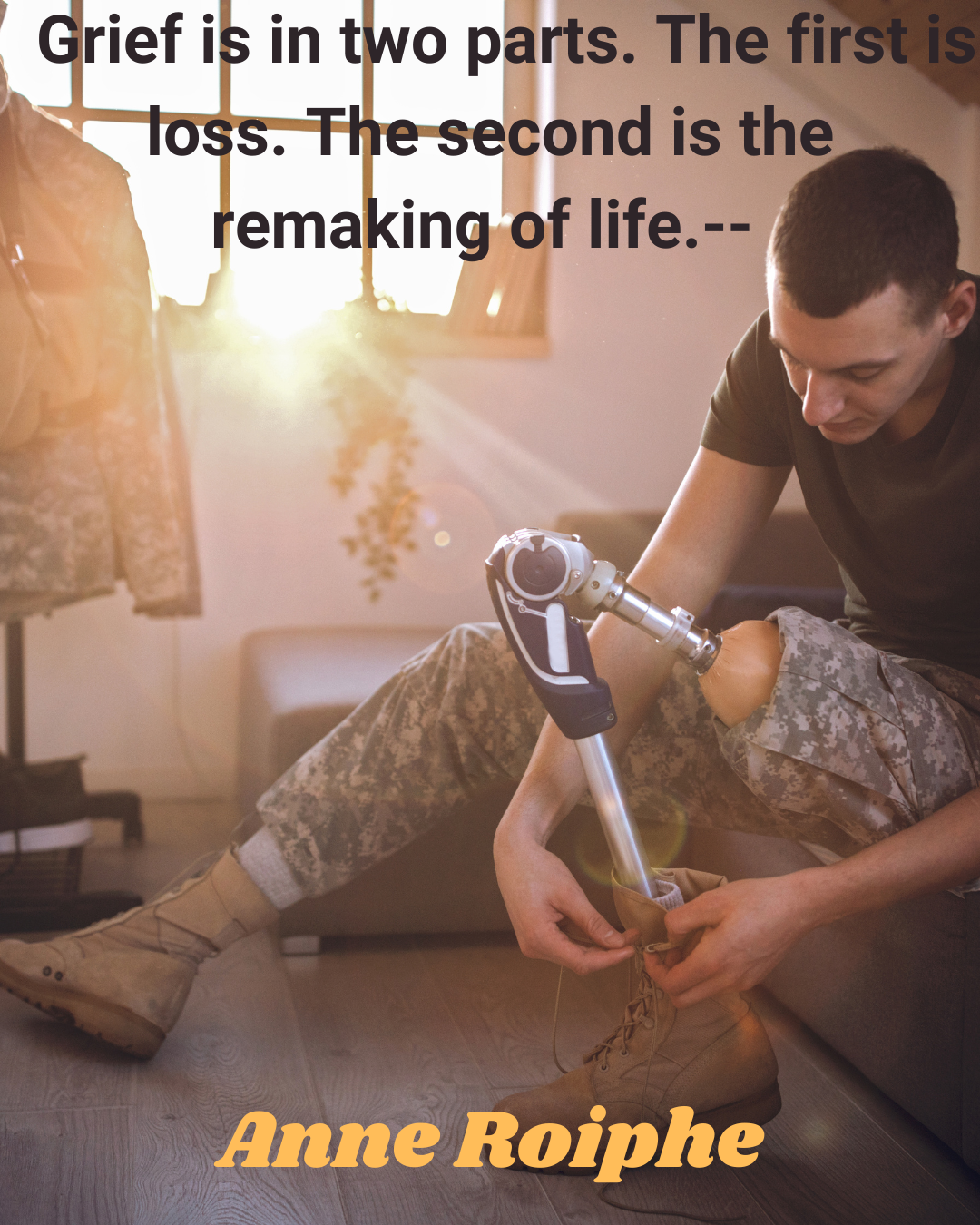
So, I decided to give up and try new things that I can do with my new normal. I began biking again for the first time in over a decade.
I returned to my passion for writing and found enjoyment and fulfillment in each new adventure. I reached out to a writer friend who is also a mental health clinician for some insights on grief this week, and his words were helpful:
- We grieve different types of loss that are important to us.
- Grief is not linear; “stages” can loop back in anytime
- Anger, sadness, and exhaustion can occur at any time, as many times as necessary.
About 10 years after my accident, an old friend who got me interested in playing guitar during high school loaned me one of his guitars and begged me to try to play again. I graciously accepted his offer.
But the first time I sat down and tried to play, I still couldn’t feel the strings, and the depression rushed in once again and overwhelmed me; then I became bitter with God for taking the joy of playing guitar away from me all over again.
I took my eyes off of all of the progress I had made over the course of 20 years and let what I had lost plunge me back into the darkness of grieving. I returned the guitar to my friend and told him thanks, but I have new things to focus on.
That was almost 2 decades ago. I no longer look back, because letting go is a necessary part of the grieving process.

Martin Johnson survived a severe car accident with a (T.B.I.) Traumatic brain injury which left him legally blind and partially paralyzed on the left side. He is an award-winning Christian screenwriter who has recently finished his first Christian nonfiction book. Martin has spent the last nine years volunteering as an ambassador and promoter for Promise Keepers ministries. While speaking to local men’s ministries he shares his testimony. He explains The Jesus Paradigm and how following Jesus changes what matters most in our lives. Martin lives in a Georgia and connects with readers at MartinThomasJohnson.com and on Twitter at mtjohnson51.


No Comments