

With millions of submissions in circulation, every writer needs to work at making their proposal stand out for whichever professional sees it. First, let me encourage you that every editor and agent is actively looking for excellent projects. Yes, they may act like their “list is full” or they “aren’t taking on any new clients.” The reality is that each one is looking for the “right” idea or the “right” author and because of the subjective nature of this business that “right” idea will be different for each agent and each publishing house.
First your obligation is to make every detail in the proposal perfect. The grammar and spelling must be exact and correct. The editor’s name must be spelled right. If those details aren’t right you will land almost immediately in the rejection pile. Of the thousands of proposals that I’ve reviewed from would-be authors, you’d be surprised how many of them fall down and fail in this area of the simple details. If these details are not right, then it makes the editor or agent to question how you will handle the details of your book manuscript. Will you be someone who turns in a manuscript which is riddled with spelling errors? You don’t even want the editor to have this thought. The spelling and grammar and editor’s name are basics.

Second you must have an on-target idea for that particular agent or the particular editor. Many writers and particularly first-time or unpublished writers assume their book idea is for everyone. I can almost guarantee that your idea is not for everyone. As you learn more about different publishing companies, you will begin to see the distinctions. Some publishers are primarily fiction houses while others are strong in nonfiction. Within the major divisions of fiction and nonfiction, there are many different niches. Are you sending your material to someone who will have a primary interest in your subject area? If not, you are wasting your time and energy. You want to determine your primary audience and your secondary audience and then send the proposal to literary agents and editors who work in those particular areas. As you determine your audience, be as specific as you can to describe their occupation, sex, race and other factors that will distinguish them. If you aim at nothing, you will be certain to hit it.
If you include a practical and achievable marketing plan with your proposal, you will cover the third way to make your proposal stand out from the other submissions. Why? Many authors assume the publisher will do all of the marketing for their book—and that is a false assumption. Yes, your publisher will have a keen interest in the success of your book. But they will also have other books which are released at exactly the same time and be concerned about the successful launch of those books. In addition, understand that you are the person with the greatest passion for your book and your subject matter.
Literary agents and editors are looking for writers who will passionately pour their energy into telling other people about their book. They are looking for authors who have a newsletter with a large mailing list or a large established database of connections with book reviewers and journalists. Take the time and energy to develop a practical plan of specific actions you can execute to tell other people about your book and why they need to purchase it. If you include such a practical and realistic plan in your book proposal, it will distinguish your proposal from anything else the editor or agent have under consideration.

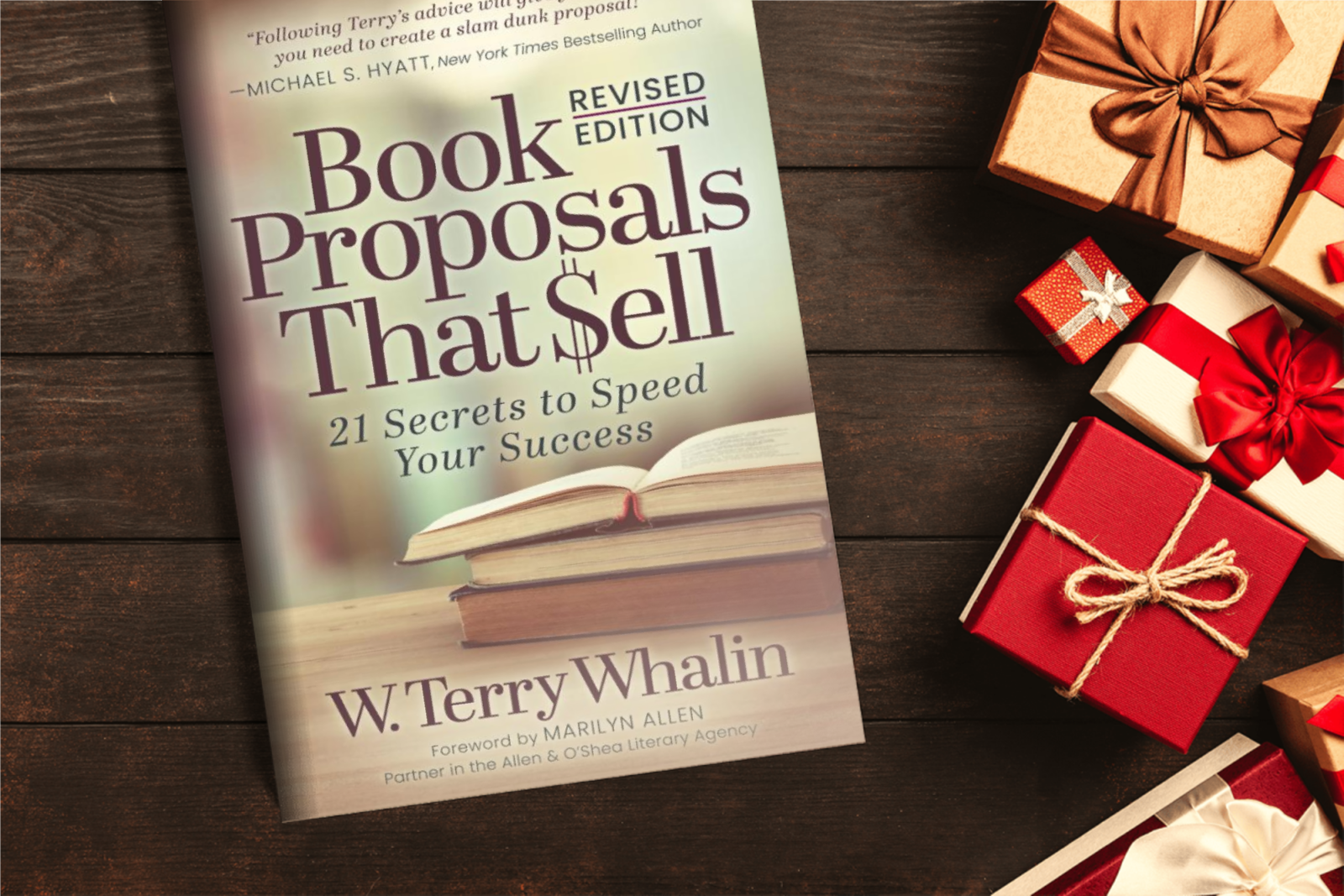
W. Terry Whalin, a writer and acquisitions editor lives in California. A former magazine editor and former literary agent, Terry is an Associate Publisher at Morgan James Publishing. He has written more than 60 nonfiction books including Jumpstart Your Publishing Dreams and Billy Graham. To help writers catch the attention of editors and agents, Terry wrote his bestselling Book Proposals That $ell, 21 Secrets To Speed Your Success. Get a free copy of his proposal book (follow the link). Check out his free Ebook, Platform Building Ideas for Every Author. His website is located at: www.terrywhalin.com. Connect with Terry on Twitter, Facebook, his blog and LinkedIn.

No Comments