

When I write about book proposal creation, I’m giving insights about how to make your proposal stand out to an editor. Follow this link to read some of my other articles. In this article I’m going to take a different twist and discuss what not to submit. As a former literary agent and current acquisitions editor at my third publisher, it is no exaggeration to say I have reviewed thousands of submissions.
One of the most unusual submissions happened during my stint as a literary agent. A novelist called and wanted to meet in person to give me her submission. I was living in Scottsdale, Arizona and this author was going to come to the area to visit family. Instead of meeting in person, I encouraged her to send it in the mail.
After a few days, a large box arrived. When I opened it, I found a different submission which I had heard existed but never seen for myself. The box contained a handwritten novel on a series of yellow legal pages. I wondered if I had the only existing copy of this manuscript and did not want this responsibility. I reviewed it and as expected it was not a fit for me to represent as a literary agent. I created a kind rejection letter then before I repacked the box, I copied several pages for my files. These pages validated my unusual experience of a handwritten submission. While it is a basic fact, your manuscript and/ or book proposal needs to be typed and in a format which can be submitted electronically.
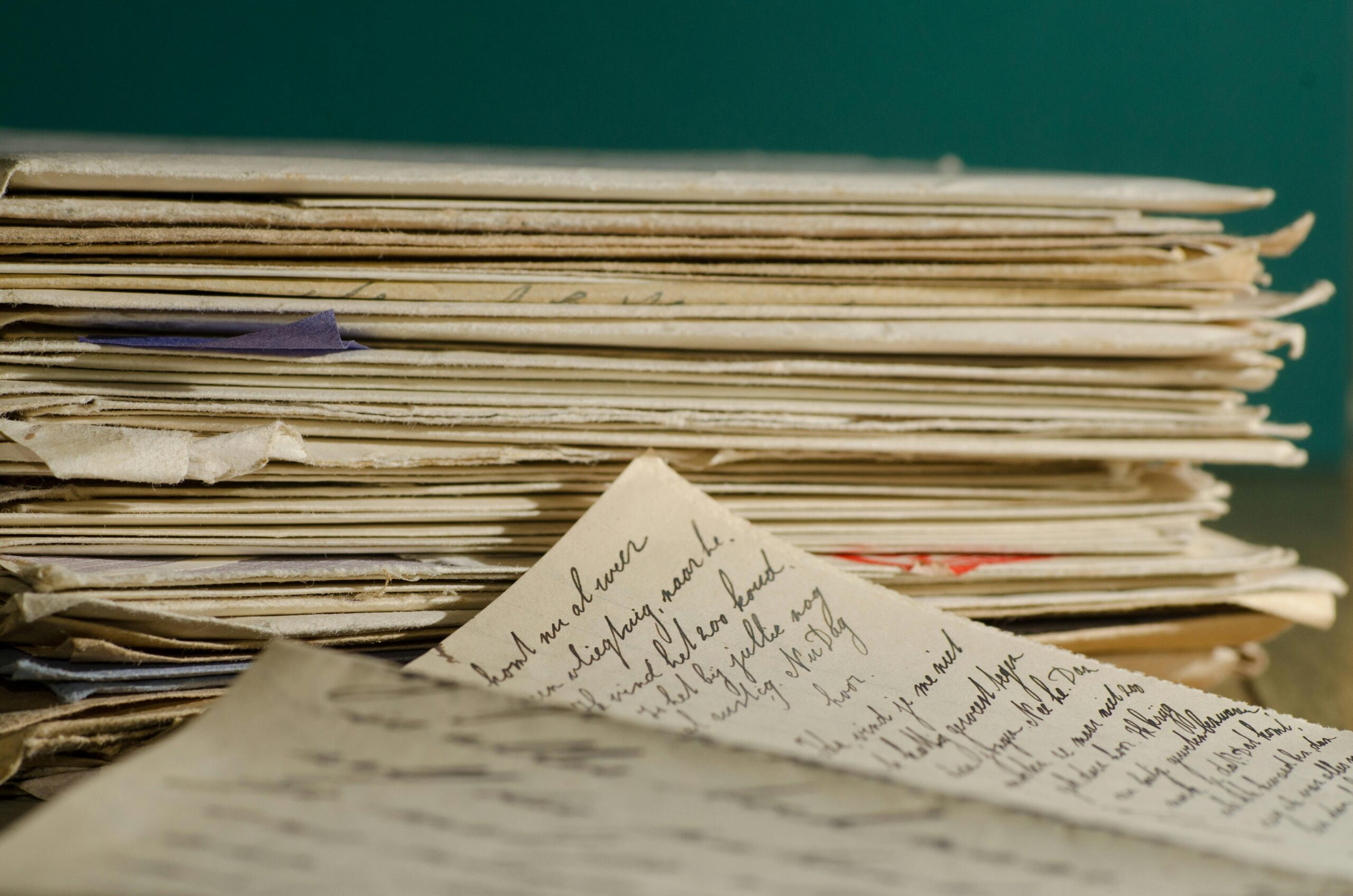
For several years, one of my long-term pastor friends and I have been talking off and on about a book project. During one of the conversations, this friend admitted he was handwriting his manuscript on a legal pad. I encouraged him to use the microphone button on his phone to read those pages or hire someone local to keyboard those pages into a Microsoft Word file (the standard within publishing). No publisher or publication will accept a handwritten manuscript. If you are in this situation, figure out how to get it in a typed electronic format.
Another submission no-no is to submit your proposal or manuscript electronically without permission. Many writers will submit their proposals as an email attachment. In general, editors are reluctant to open an attachment from someone they do not know because it could have a computer virus. You want to send a one page query letter first and get the professional’s permission to send the attachment. Or you can send a short email asking for permission to send the attachment submission.
Editors and literary agents receive a great deal of email from their authors and publishing colleagues and other people inside and outside of their company. One publishing executive told me that he receives over 300 emails a day. Because this executive occasionally travels and doesn’t check his email for several days, you can imagine the backlog of information he must wade through upon his return. The same situation is true for editors and agents. Many publishers have stopped accepting unsolicited proposals and manuscripts due to the overwhelming flood of poor proposals.
Here’s another no-no: do not use fancy fonts. No one wants to read material in Bookman Old Style or Lucinda Sans Typewriter—even if your computer has these fonts. You would be surprised at the lengths some people go to get attention. These writers get attention but it’s the negative type. Stick to something standard such as 12 point New Times Roman or Georgia font.
If you mail a physical submission, there is no need to put your proposal in a three-ring binder or use any extra folders or presentation materials. I once received a large manuscript in a notebook binder. The author had punched three holes into every single page of the manuscript, then placed it into the binder and shipped it overnight to my address. Also don’t use colored paper or include your graduation certificates or your PowerPoint presentations. I’ve received these types of submissions. Also, you don’t need to send your proposal by priority mail, Federal Express or overnight delivery. Some people use this unnecessary expense so they can track it and know that it has arrived at the editor’s desk.
The overall key point of this article is your submission needs to be professional and normal—not to stand out because of something unusual. It is your concept, your writing and your storytelling that will make the greatest difference to the editor. Don’t become memorable through some strange and negative action.

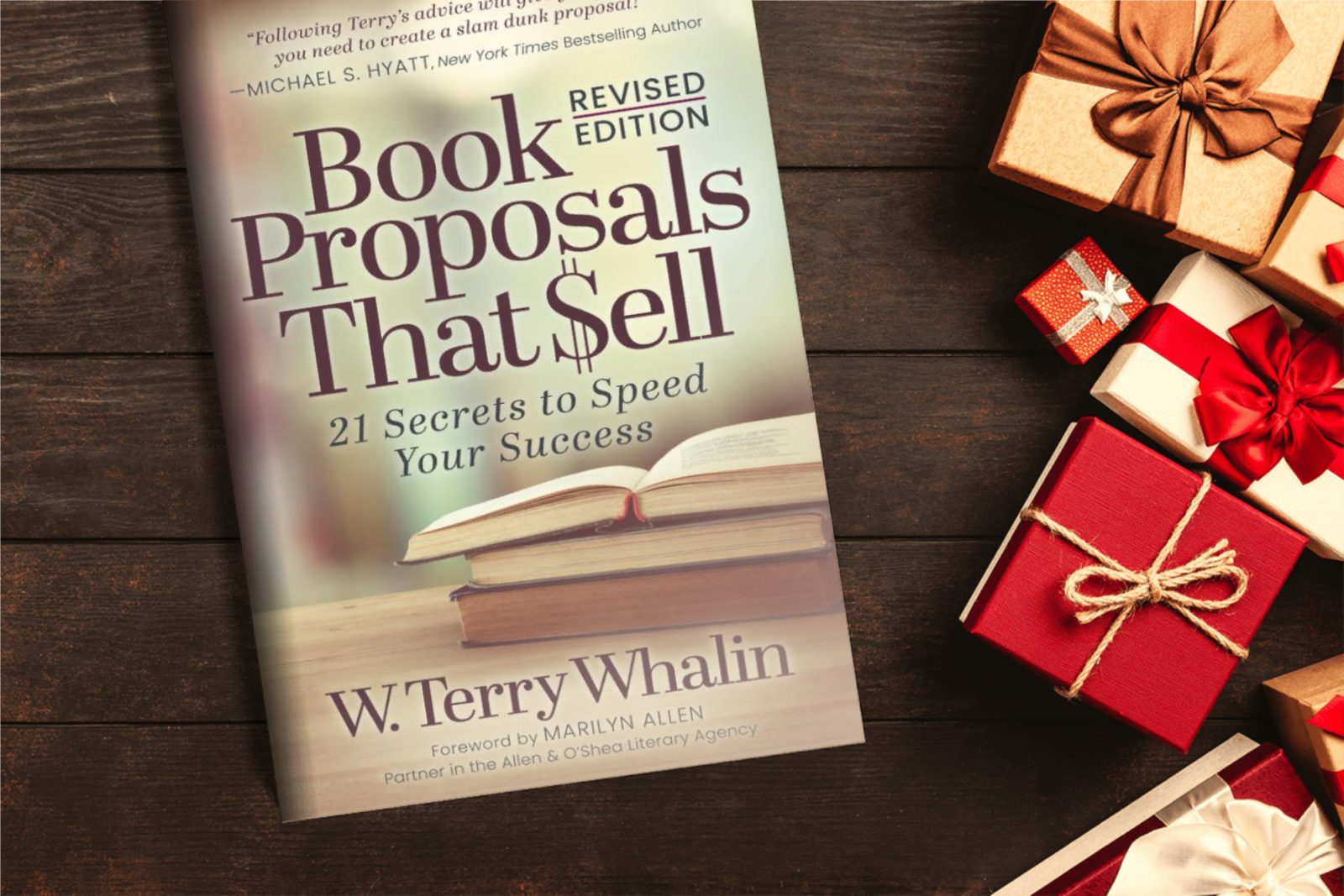
W. Terry Whalin, a writer and acquisitions editor lives in California. A former magazine editor and former literary agent, Terry is an acquisitions editor at Morgan James Publishing. He has written more than 60 nonfiction books including Jumpstart Your Publishing Dreams and Billy Graham. To help writers catch the attention of editors and agents, Terry wrote his bestselling Book Proposals That $ell, 21 Secrets To Speed Your Success. Get a free copy of his proposal book (follow the link). Check out his free Ebook, Platform Building Ideas for Every Author. His website is located at: www.terrywhalin.com. Connect with Terry on Twitter, Facebook, his blog and LinkedIn.

No Comments