Unfortunately, my summer didn’t go quite as I had hoped. I enjoy spending a lot of time outside; however, earlier this month I suffered a sports injury that caused me to slow down to the point of being sedentary while my injury healed.
Waiting for the injury to heal was bad enough, but then my weakened immune system allowed me to catch COVID-19—after avoiding the illness for five years. The combination of injury and illness drastically changed my daily life:
- Resting
- Being sedentary
- Staying inside
- Not sleeping well
- Losing smell and taste
I learned years ago when I had my accident that people need to slow down to give their body and brain a chance to heal and recover whenever we are not 100%. Sometimes we fail to realize that our immune system also helps us recover from daily activities, exercise, and injuries.
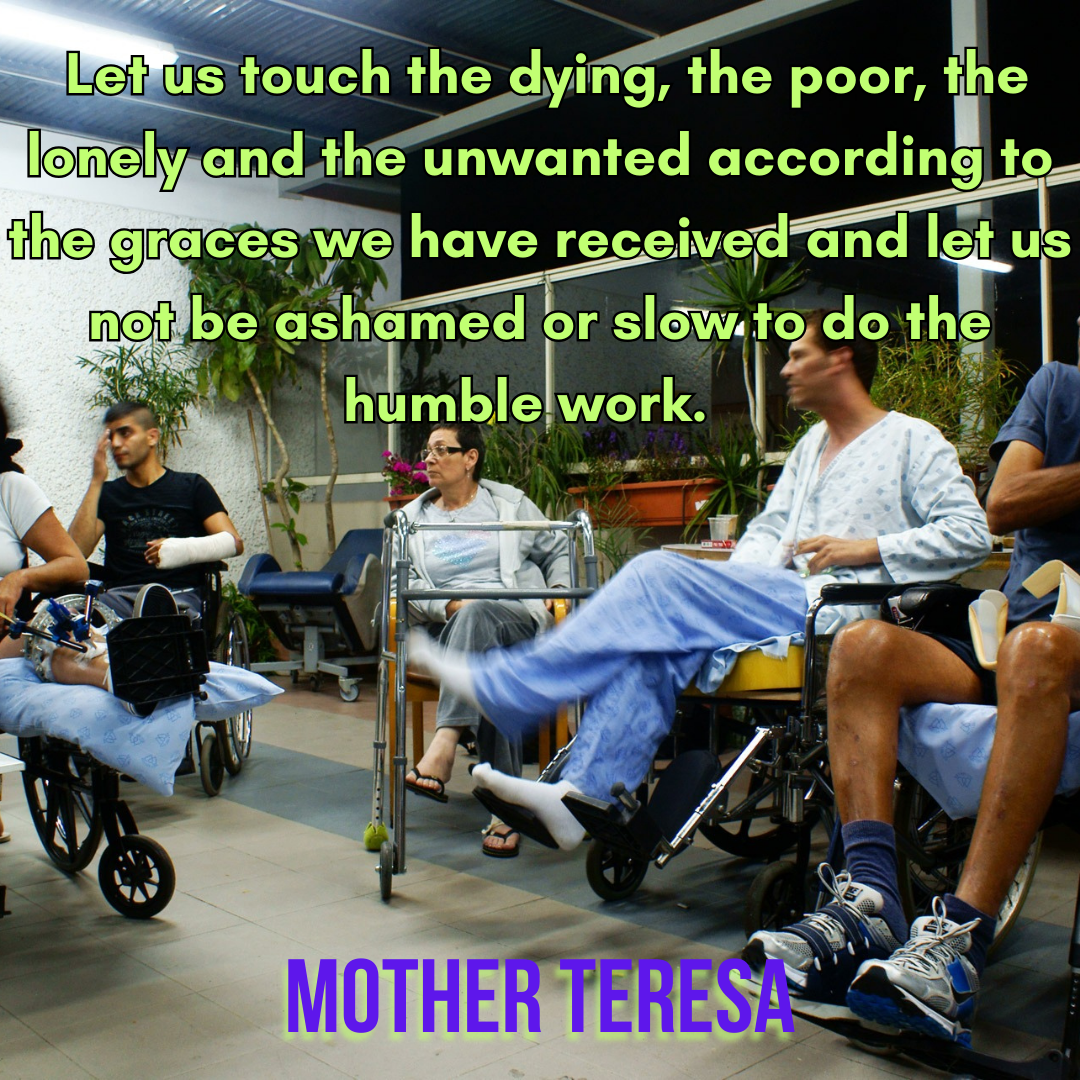
Ever since my accident, I have chosen not to take my health or physical abilities for granted and try to stay as active as possible. For nearly 30 years, I have stayed active physically and mentally. August has been a hard reminder I need to pace myself in life.
Pace Yourself
Life is busy for us all, regardless of relationship status, lifestyles, or abilities. The demands of life can be overwhelming at times, and we need to adjust our pace to keep from crashing. Pace is defined as “Rate of movement or progress: speed.”
The rat race of life makes us all rush through life at times. Rushing at anything often leads to negative consequences. That is why we must learn how to pace ourselves and slow down at times.
I have already explained how living with a brain injury has forced me to slow down: more mental focus, less stress, and improved quality of life. Slowing our pace in life has both physical and mental benefits for everyone.
Taking the slower pace helps improve mental focus and concentration because we have more time to hone in on an activity or item. If you know me, I am more of a quality-over-quantity type of person.
A slower pace can reduce anxiety and stress as we reduce stress on our bodies and brains. It gives us more time to focus on our self-awareness and health. We all need a reality check sometimes. We have more time to reflect and refocus on what is going on with us physically and mentally.
Who doesn’t need a little less stress?
For creative people like writers, a slower pace lets us refuel without becoming burned out from the writing process. We all need more time to recover from the hardships of life, especially writers.
The Writing Rush
A writer’s life comes with hopeful expectations and depressing pitfalls, which can quickly drain a writer’s creative juices. Being a professional writer means meeting deadlines that are set by others who have their own deadlines and requirements to meet.
Professional writers also need to put out our best work. Quality writing cannot and should not be rushed. When I began my writing journey, I was quickly advised that a writing career is a marathon, not a sprint.
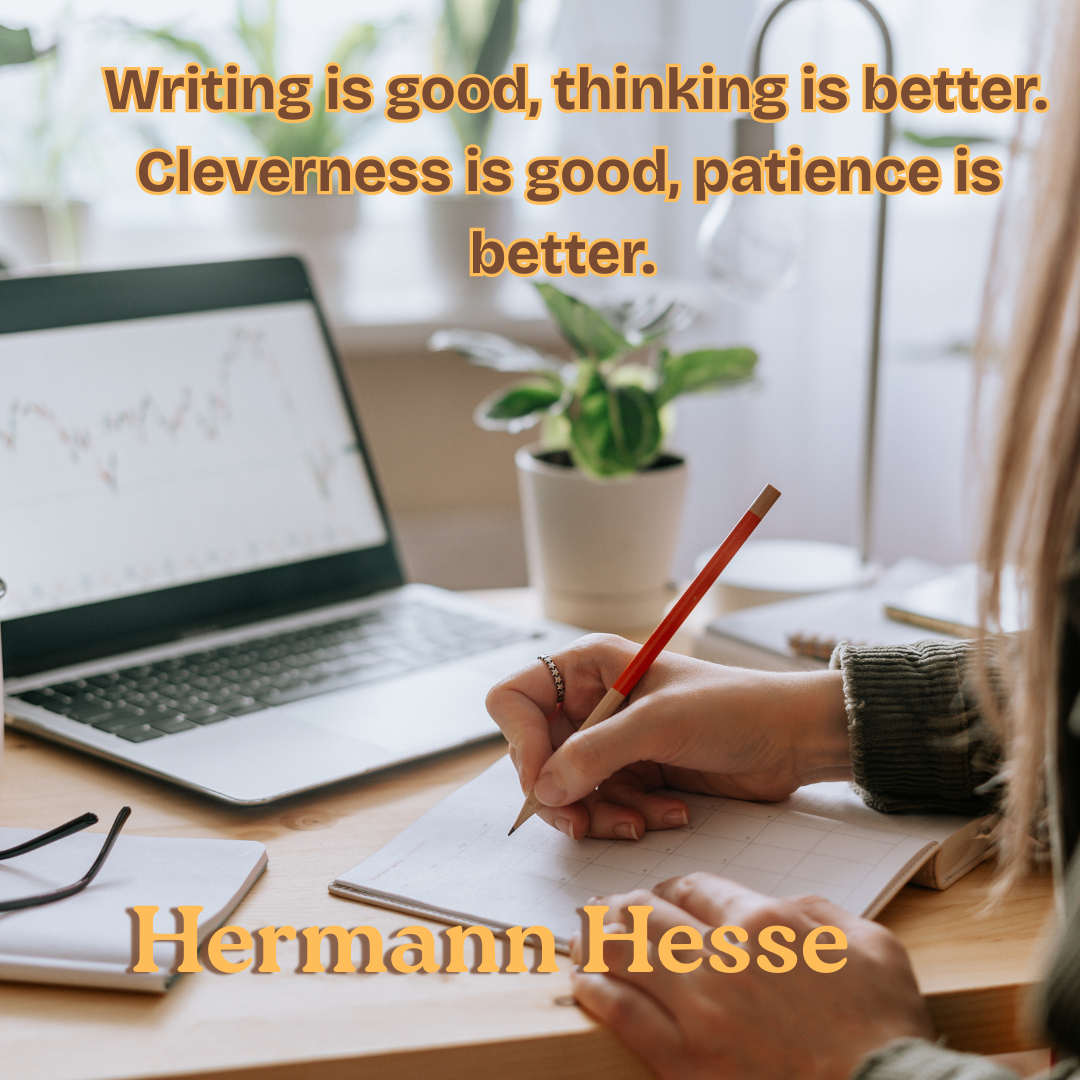
Writers may be full of ideas, hopes, and aspirations, but it is rare for a writer to have overnight success. Even the best writers take years to learn the craft, hone their skills, and achieve publication.
Thus, it is better to be proactive and pace yourself as a writer. Below are some tips for how to slow down if you’re feeling rushed or overwhelmed:
- Do a puzzle
- Establish a morning routine
- Make a to-do list
- Pay attention
- Play a podcast
- Practice gratitude
- Put down your cell phone
- Read
- Set boundaries
- Stop multitasking
I have already shared about how I pull the plug when I take rest weeks, but I have actually begun limiting my time on social media more to help me slow down daily.
As a brain injury survivor, I understand the importance of disconnecting at times to clear my mind and focus better; the same principle applies to writers. Constantly consuming information can lead to information overload.
Research burnout is a real problem for writers, although research is a necessary part of the writing process. The hard truth is too much of anything is a bad thing, even if it is something we enjoy.
Know Your Limits
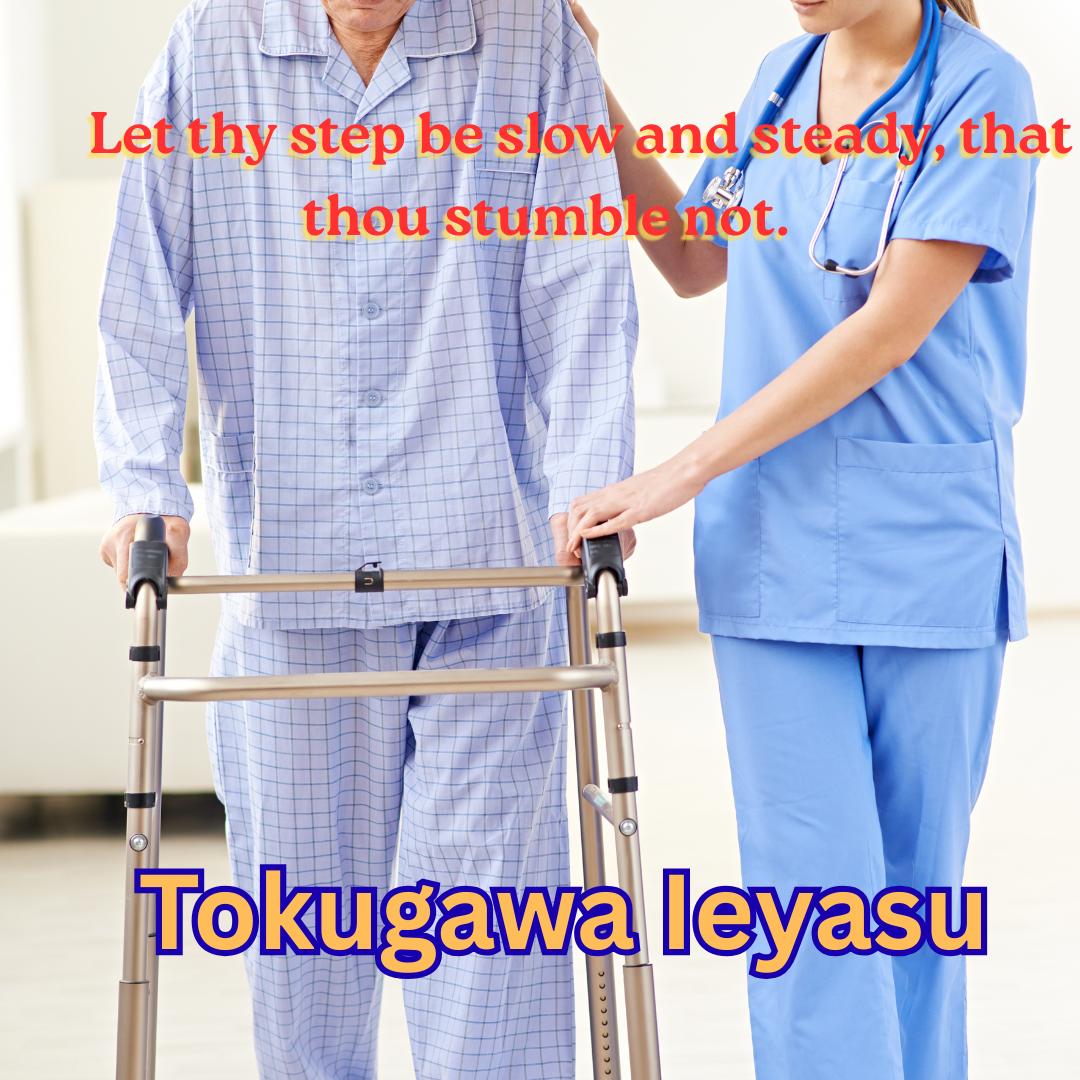
I learned the hard way to understand my physical limits before I learned the art of living slower. It took me passing out to realize I needed more sleep and rest. It also took multiple seizures for me to understand I was taking in too much caffeine.
I cannot count how many projects I lost because I was overbooking myself as a writer or freelancer. It is self-destructive to put more on your plate than you can handle. It can also be detrimental to your writing career as well as your health. Below are some tips on how to slow down and keep from going beyond your limits:
- Create a place of stillness
- Practice mindfulness
- Set boundaries
- Prioritize self-care
- Enjoy your hobbies
If you know anything about me, you know I am a biking junkie. During my illness, I have not been able to bike for almost a month. Since I know my body’s and brain’s limitations, I know I need to work up to my more difficult biking routines.
It is foolish to jump back into any exercise routine if you haven’t trained yourself. Training is like writing; you must pace yourself.

Martin Johnson survived a severe car accident with a (T.B.I.) Traumatic brain injury which left him legally blind and partially paralyzed on the left side. He is an award-winning Christian screenwriter who has recently finished his first Christian nonfiction book. Martin has spent the last nine years volunteering as an ambassador and promoter for Promise Keepers ministries. While speaking to local men’s ministries he shares his testimony. He explains The Jesus Paradigm and how following Jesus changes what matters most in our lives. Martin lives in a Georgia and connects with readers at MartinThomasJohnson.com and on Twitter at mtjohnson51.

No Comments