

Have you ever been told your writing contains “weak” words? Here are a few that editors often suggest replacing. If you find yourself using many of them within your story, you can bet your reader will lose interest quickly. With a little bit of practice, you can avoid this pitfall and make your readers stick around for more.
There
How many of your sentences begin with the word “there?” It is often considered a weak word when used as a pronoun and most likely turns the sentence into passive voice. As I’m sure you’ve heard, most works are written in active voice because it helps readers feel closer to the characters’ actions. This, in turn, leads to better engagement. Read the sentences below. Compare the imagery when “there” is used to when a stronger verb is used instead.
Weak:
- There was a rainbow in the sky after the storm.
- There was a soft glow from the fireplace, and he couldn’t look away from her as she smiled at his from across the room.
- The detective searched the old mansion for clues, and there was a strange footprint covered in dust near the attic door.
Strong:
- A rainbow arched across the sky after the storm.
- The fireplace cast a soft glow across the room, and he couldn’t look away from her as she smiled at him.
- The detective searched the old mansion for clues, and a strange footprint lay hidden beneath the dust near the attic door.
While “there” is often much easier and seems more natural, much like we speak, your story will benefit from a stronger voice and keep your reader wanting more. You don’t need to eliminate all uses of the word “there,” but you do want to keep them to a minimum. Make it a habit to consider revising your sentence each time you find yourself typing t-h-e-r-e.
That
Here is a word that is used in many different ways in English. Many times, it can be eliminated as long as the sentence is still understandable to the reader. In this article, we are only going to focus on a couple types of sentences.
In the following examples, the word “that” is used after a reporting verb. “That” is the subordinating conjunction introducing the object clause. The whole clause is considered the object of the verb. It can be omitted without changing the basic meaning of the sentence. Therefore, it is optional but more often dropped in informal speech than in formal writing.
- My boss announced (that) the meeting would begin at 9:00.
- She said (that) her daughter was thinking about going to college.
- Jillian explained (that) she was late due to a traffic jam.
Some adjectives can be followed by “that” when answering the question “why.” In this case, as well, “that” can be dropped without affecting meaning. Again, it is optional but often kept in formal writing.
- I’m happy (that) you will be visiting next month.
- My parents are sad (that) we will be moving to Arizona.
- My son is concerned (that) he will be fired for being late.
Be verbs
Using “be” verbs — is, am, are, was, were, be, being, been — can make writing feel vague and wordy. Whenever possible, consider replacing “be” verbs with stronger, active verbs to make your stories come alive. Descriptive actions elevate the imagery for the reader and makes the story more engaging.
Take a look at the following examples:
- The thief was running for the door.
- The boys were laughing.
- The sky was beautiful.
Now read the revision with the “be” verb replaced. See what a difference it makes in your ability to visualize the scene.
- The thief sprinted for the door.
- The boys burst into laughter.
- The sky glowed red and orange with the sunset.
As an author, you will often hear the advice, “Show, don’t tell.” You have now learned several words that can be taken out of your vocabulary when writing. Your scenes will no longer be flat and slow-paced.
Now, you can produce imagery that moves your story forward and creates movement and tension.
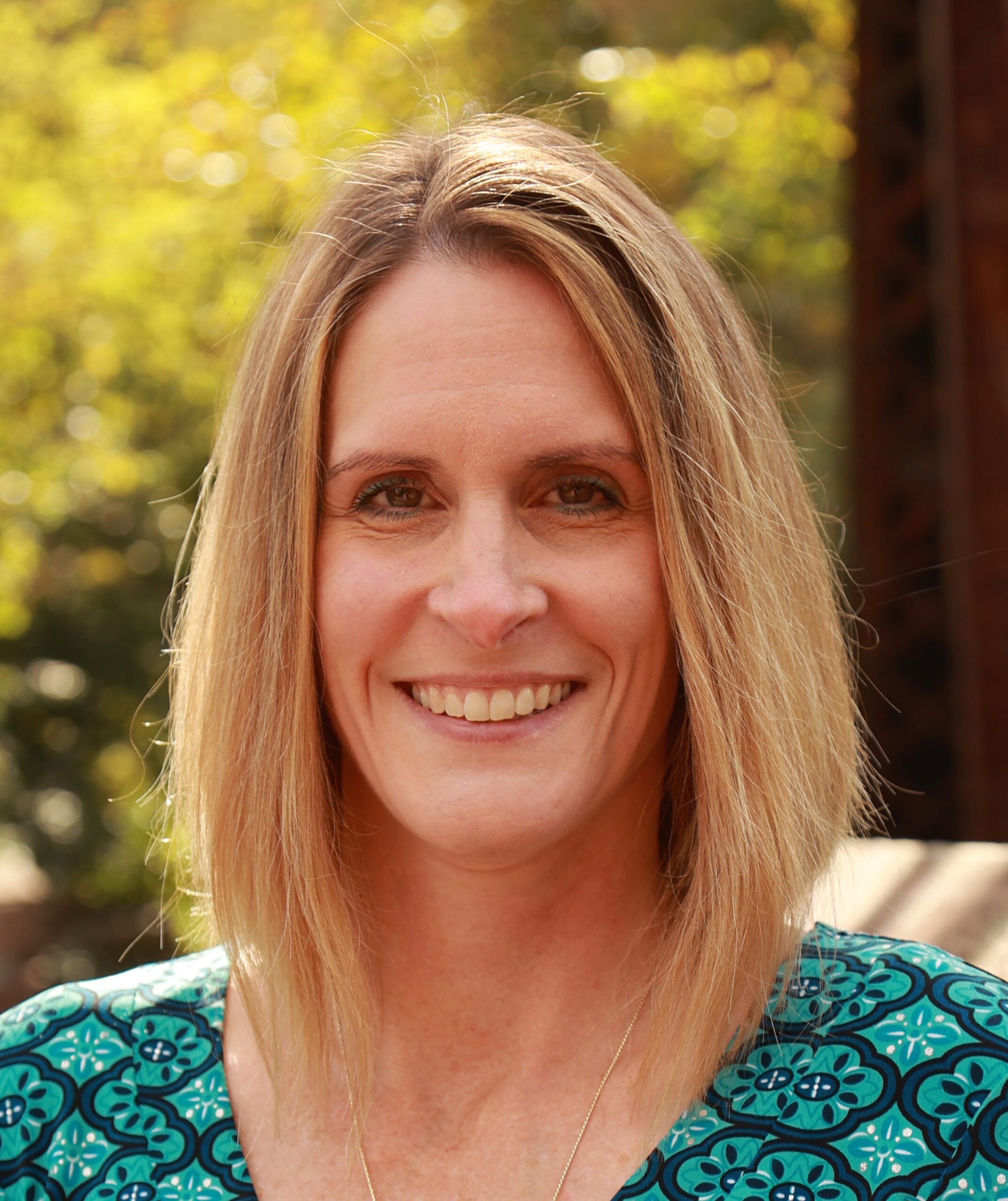
Heather Malone writes children’s books that focus mainly on Montessori education, special education, and nonfiction. She also dabbles in fiction. Her nonfiction book, Montessori from A to Z, was published in 2023, and her blog on homeschooling students with disabilities using the Montessori method can be viewed at spedmontessorisolutions.com. Her passion is education, which is evidenced by spending over twenty-five years in the field before leaving the classroom to now provide technical assistance to school districts. She lives with her husband and son in Ohio and enjoys traveling to new places in her free time.

No Comments