

I’m working on my next book in my young adult series and I’m struggling. I keep second guessing how to tell my character’s story in a way that is meaningful yet assure it is as well received as possible. I found myself avoiding anything that might be uncomfortable, off-putting, or offensive, leaning so far toward safe fiction it weakened my story. I had to stop and think about what was going on here.
Why do some authors feel drawn to write safe stories?
Protectiveness Toward Young Readers
I have a fierce protectiveness toward my young readers. Part of me wants to soften the consequences of bad choices and shield readers from difficult emotions, yet this is the exact opposite of what I need to do as an author. Risking discomfort is necessary for my character to be relatable. Real life includes inner turmoil, bad choices, conflict with families, broken relationships, and even anger towards God. Without stress and conflict the characters—and by extension, the reader—will not grow or learn anything.
Vulnerability in the Author
Pouring your heart out onto the page and publishing puts an author in a very exposed position, especially when the topic is close to the heart. For myself, this happens in both the drafting phase and the editing phase. My young adult fiction is about issues that are important to me, and often feel personal. It’s hard to resist the temptation to skim over the painful sections.
Fear of Reader or Parent Backlash
This one is real. Writers are told to write bravely, but that can be tough when writing for an audience. It’s beneficial and good to know what readers want and desire. At the same time, avoiding anything that might ruffle feathers by softening a story too much can take a novel from impactful to ineffective with a few keystrokes.
Discomfort with Ambiguity
For some, ambiguity itself feels spiritually risky, so they tend to avoid things like unresolved doubt, morally complex characters, mixed motivations, or even slow transformation arcs. Writers want the characters and message to be understood, but fear of being MISunderstood produces prose that is focused on clarity at the cost of losing connection, not allowing the reader to ponder and discover deeper meaning.
What Happens in Safe Fiction
In safe fiction, conflict is often resolved too cleanly and too quickly, avoiding complexity and deflating tension. Moral questions are presented too simplistically, with clear right and wrong answers and none of that pesky human flailing about. Characters live in a world where mistakes aren’t too terrible, and they have little fallout. Maturity magically appears without a great deal of struggle.
Teens don’t recognize their real-world experience in a story void of conflict such as dealing with competing values, wrestling with doubt, or other issues they face.
Fiction does not need to glorify pain, but it does need to allow it to exist long enough to demonstrate hope for transformation. When stories allow characters to remain messy and unfinished while still being met with mercy and grace, those stories may feel more dangerous, but they are also more truthful. And truth, pointing towards hope, is exactly what I want to write.
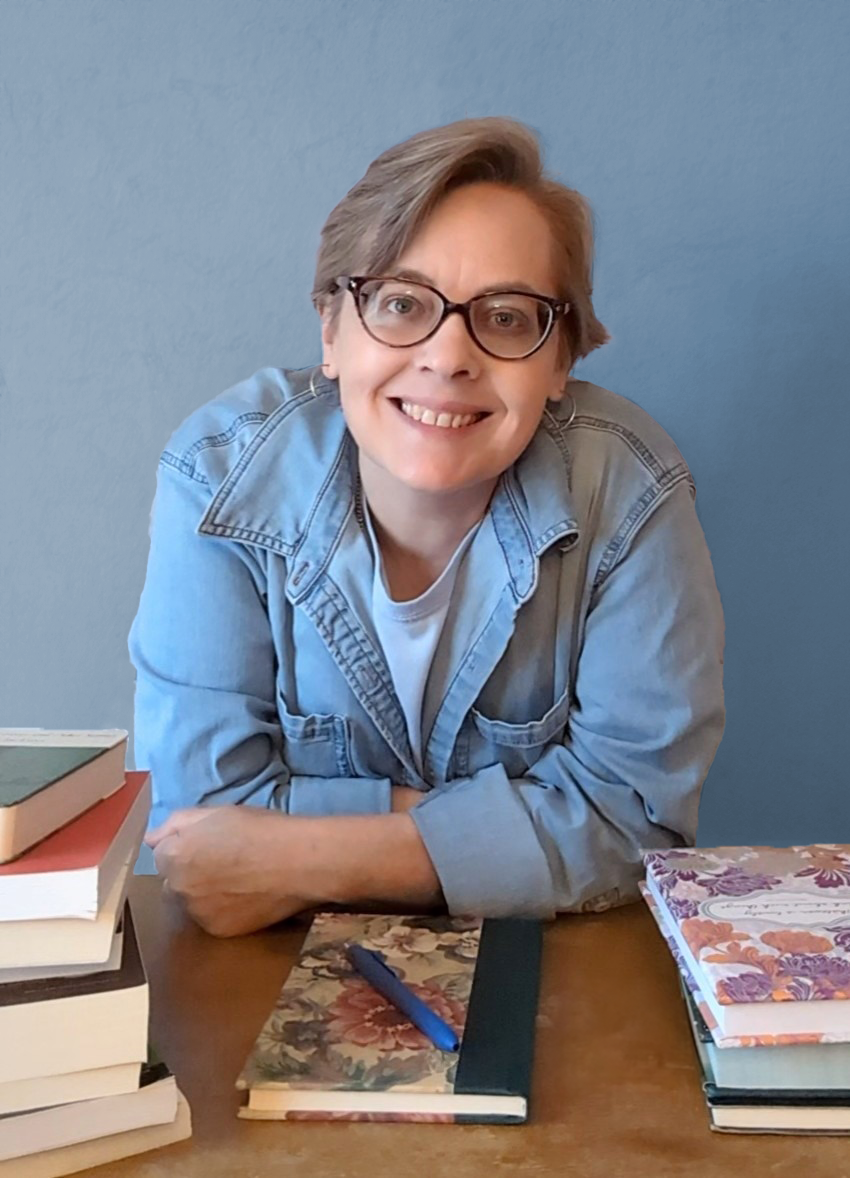
Donna Jo Stone is an award-winning, multi-genre author. She writes contemporary young adult, historical fiction, and southern fiction. Many of her novels are about tough issues, but she always ends her stories on a note of hope. Finding the faith to carry on through hard battles in a common theme in Donna Jo’s books. Her novel When the Wildflowers Bloom Again is a 2025 ACFW Carol Award Winner.
For the latest news on upcoming releases and other author news, sign up for Donna Jo’s newsletter at donnajostone.com.
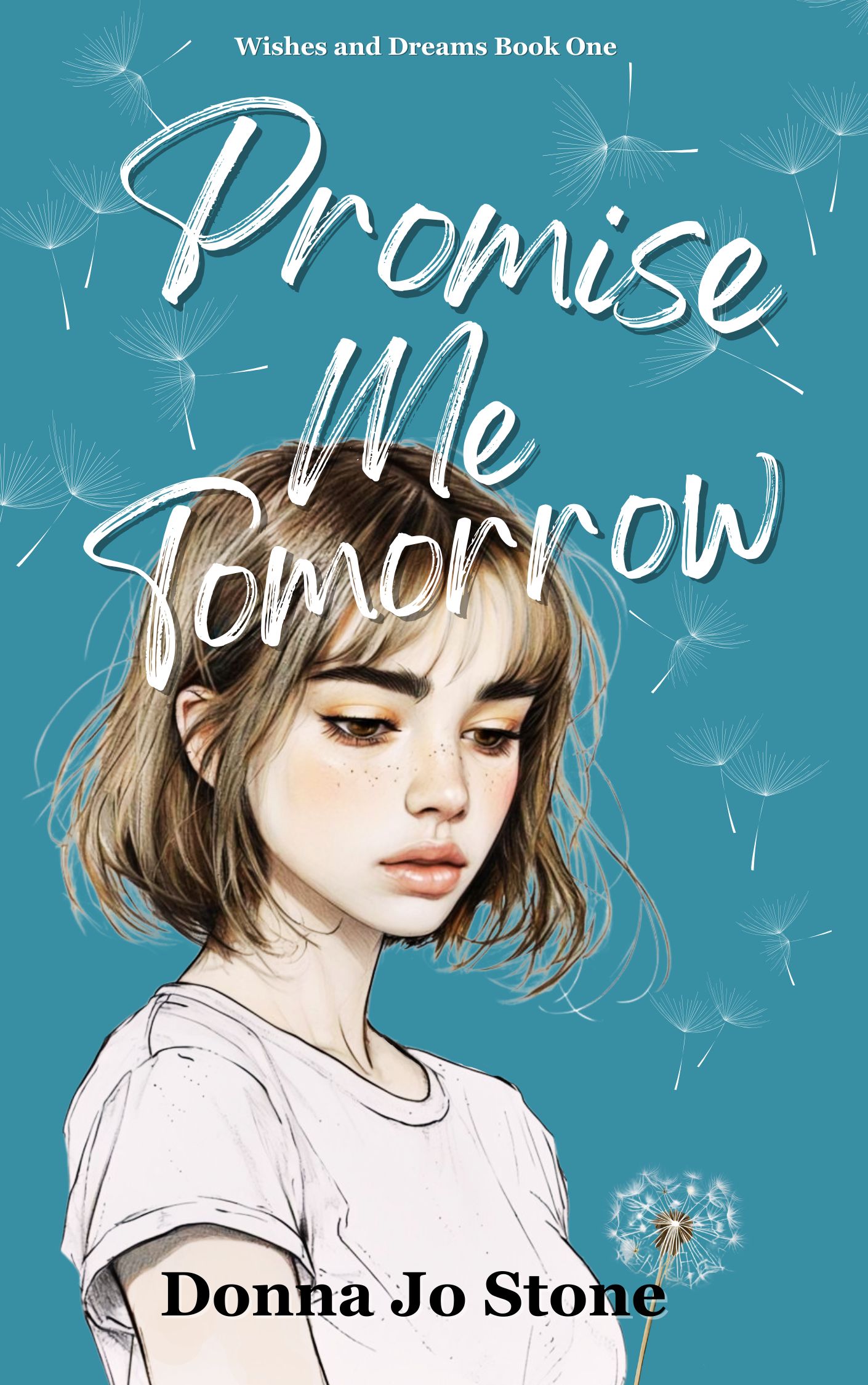
Her contemporary young adult novel, Promise Me Tomorrow, is available in ebook, print, and KU.

No Comments