A few weeks ago, I either had a seasonal allergy flare-up or caught a cold, but after I recovered, I noticed I had lost my sense of smell and taste again. This frustrated me because I have only had my taste and sense of smell back for a few months after having Covid-19 last year.
The loss of these is particularly annoying to me because they are normally heightened because of my loss of eyesight. Yes, our body really does compensate for the loss of one particular sense by enhancing others.
I have learned over the years since my accident to adapt and adjust to my disability by being more aware of my senses and my surroundings. My disability has taught me to focus on being healthier. While most people focus on gaining muscle to be healthier, I’ve had to focus on the little things just to be able to function:
- Eating
- Walking
- Hearing
- Smelling
As we age, we tend to shift our health goals in life. Exercise becomes less of a vanity project and more of a survival technique or plan. As someone in the disabled community, I understand what others see on the outside doesn’t necessarily represent what is going on the inside.
My brain injury is defined as an invisible disability because others can’t necessarily see it, even though it affects every aspect of my life and health. It has forced me to focus on being thankful for the little things in life.
The Little Things
Most of us take the little things in life for granted. What is easy or natural for a healthy person requires more effort and time for people with disabilities. What used to be an involuntary function quickly becomes more of a voluntary effort.
One of the hardest things for me to deal with after my accident was a loss of fine-tuned motor skills in my left hand. This meant I could no longer do the things I enjoyed before my accident: playing guitar, video games, typing, or writing.
For an English major who wanted to be a writer, I had to learn how to use speech dictation software to continue using my passion for writing. Thank God the technology has improved over the years, or I would not be able to use my writing skills.
The Writer’s Life
Many writers have high expectations and big dreams and tend to overlook the little things on the writing journey. First, they must learn the craft. One of the things some writers fail to do is to learn the expectations of their target genre.
Then we need to develop our writing voice that distinguishes us from other writers and then towards our writing focus. Most importantly, we need to build our writing muscles and start with the little things in the craft:
- Start a blog
- Pitch and write articles
- Develop an editor’s ear.
- Build a platform
- Grow our audience/brand.
- Network
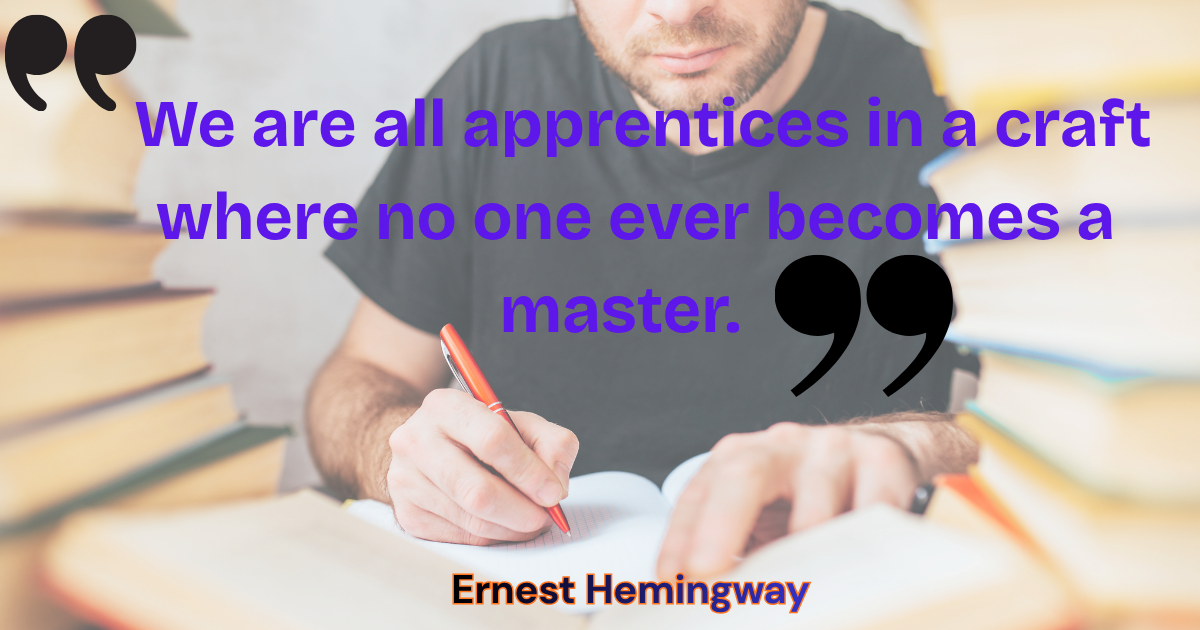
Each of these little steps is what prepares us for our big dreams, whatever they might be: publishing a book, becoming an award winning writer, becoming a successful screenwriter.
Too many aspiring writers want to break into the business with their big idea without doing the work to learn the craft or polish their writing. Agents and publishers look at authors who have done the little things to become professional authors.
Hollywood gatekeepers and literary managers look at screenwriters who have learned the art of storytelling and know how to tell visually in a professional manner. Health nuts like me know that these are little steps that prepare us to achieve our health goals.
Preparation Is a Necessity
After my accident, I wasn’t prepared for the hard truths of my situation and my new life living with a brain injury. I had to learn many things the hard way: I had no feeling on my right side, how I lost the fine-tuned motor skills, and that I needed to relearn how to walk.
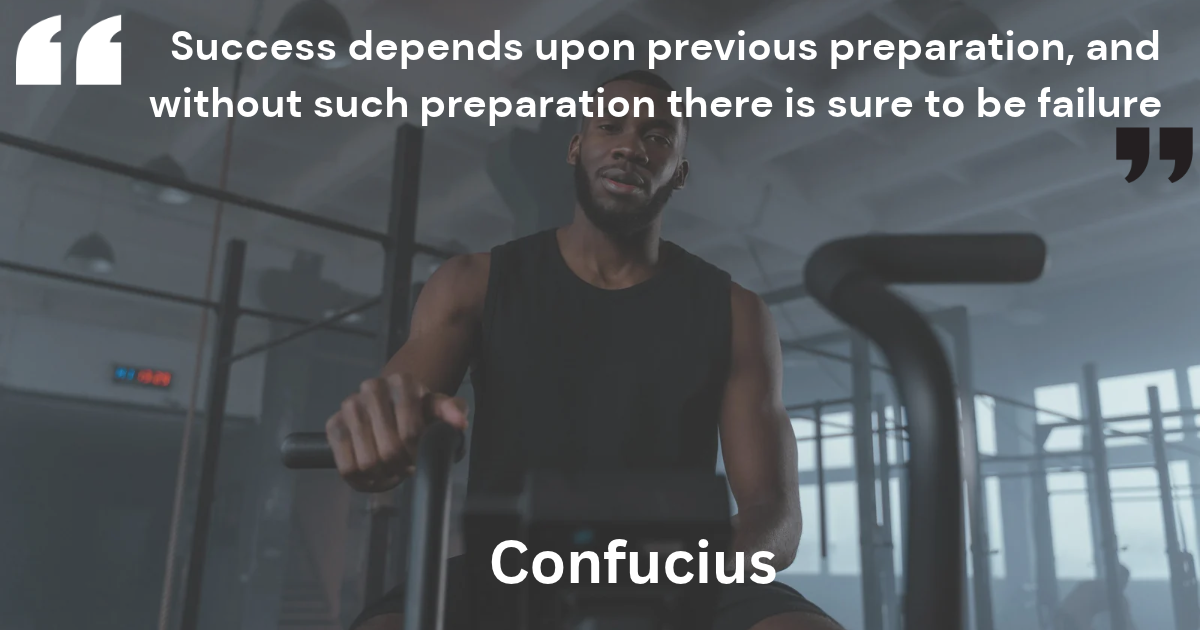
I even had to relearn how to talk with my unique pitches and tone of my voice. It took months of physical therapy and talking to a neuropsychologist to prepare me to leave my doctor’s care:
- Speech therapy
- Physical therapy
- Occupational therapy
- Neurological evaluations
As we near the end of the year, many people have resolutions and fitness goals for the new year. My advice is to start doing the little things now, before you try to hit the gym in the new year. Begin with getting 7 to 9 hours of sleep every night. Drink more water to make sure your body and muscles are well hydrated.
Begin a brisk walking routine now to help strengthen your heart muscle. Learn to put down your devices. Just like with writing and recovering from an injury, we all must learn to start with the little things!

Martin Johnson survived a severe car accident with a (T.B.I.) Traumatic brain injury which left him legally blind and partially paralyzed on the left side. He is an award-winning Christian screenwriter who has recently finished his first Christian nonfiction book. Martin has spent the last nine years volunteering as an ambassador and promoter for Promise Keepers ministries. While speaking to local men’s ministries he shares his testimony. He explains The Jesus Paradigm and how following Jesus changes what matters most in our lives. Martin lives in a Georgia and connects with readers at MartinThomasJohnson.com and on Twitter at mtjohnson51.

No Comments