
I first heard the term “wingman” when I watched Top Gun in 1986. Originally a military aviation term dating back decades, a wingman was the pilot who flew alongside another, providing protection and support. Eventually, the term found its way into the dating world, describing a friend who helps another friend find romance—or at least score a date.
In romance novels, we’re not looking for casual hookups. We’re on the hunt for the happily ever after.
And secondary characters—our fictional wingmen—can do a lot of the heavy lifting to get our heroes and heroines there.
They point out flaws and emotional wounds our protagonists would rather ignore. They challenge the excuses our characters use to keep love at arm’s length. Sometimes they offer advice. Occasionally, they interfere with the best laid plans and make everything worse.
No matter what else though, their purpose is to help move the romance forward.
Consider George Downes in My Best Friend’s Wedding. George challenges Julianne to recognize her behavior for what it is—manipulative and bordering on cruel—while remaining firmly in her corner as her friend and ally. He doesn’t simply tell her what she wants to hear. He tells her what she needs to hear.
Sometimes a secondary character’s greatest contribution is seeing the truth before the protagonist does.
In When Harry Met Sally, Harry and Sally arrange a meeting between their respective best friends. Sally thinks her friend Marie and Harry would hit it off. Harry believes his buddy Jess and Sally could be a match.
Instead, the chemistry between Marie and Jess crackles on screen, and they promptly ditch Harry and Sally to grab a cab together.
For the rest of the movie, Jess and Marie provide an example of a healthy, well-matched couple. They recognize what Harry and Sally can’t—or won’t—admit: their friendship has the potential to become something more.
Not every wingman on the page or the screen is involved in a romantic relationship.
Samwise Gamgee from The Lord of the Rings has become one of literature’s most beloved secondary characters. His loyalty to Frodo, his courage, and his willingness to sacrifice for his friend and their quest make him an unforgettable companion.
In Steel Magnolias, Ouiser Boudreaux is grumpy, cantankerous, funny, outspoken, and deeply loyal to those she loves. She reminds us that a secondary character doesn’t have to be agreeable to be memorable—or lovable.
These characters serve different purposes, but they share an important quality: they matter to the protagonist.
Give Your Wingman a Purpose
When creating secondary characters, consider what role they play in the hero or heroine’s emotional journey.
Does the best friend recognize a fear the heroine refuses to acknowledge? Does a sibling challenge the hero’s assumptions about family and love and relationships? Does a well-meaning neighbor create an opportunity for the couple to spend time together?
A wingman can provide encouragement, comic relief, accountability, or even conflict. But they should do more than show up for coffee and ask how the romance is going.
They need a purpose.
Give Them a Life of Their Own
Some wingmen burst onto the scene, sucking up all the air in the room and demanding their own stories.
And sometimes, they get them.
That’s one reason connected romance series work so well. Readers meet intriguing secondary characters in one book, grow attached to them, and eagerly anticipate their turn at happily-ever-after.
My September 2026 release, What Could Be Better?, is part of a six-book series written with five other authors. Each book focuses on a different member of a friend group, and each friend gets their own story.
The interplay between the protagonists and their friends made for some fun crossovers. It also gave us opportunities to develop friendships that extended beyond the boundaries of any single book.
But even if your secondary character will never headline another novel, give them a personality, goals, and interests beyond the protagonist’s romantic problems.
Don’t Let Them Steal the Show
As entertaining as secondary characters can be, remember whose story you’re telling.
A colorful best friend, eccentric grandmother, or adorable puppy can add humor and heart, but the hero and heroine still must make their own decisions and experience their own story and growth arc.
The wingman can point out the problem, offer advice, or create an opportunity. But the protagonist must ultimately take the risk.
The best secondary characters aren’t props or set dressing. They challenge our protagonists, reveal hidden truths, create opportunities, and encourage change.
And sometimes, they’re the very people who help our heroes and heroines find the courage to reach for their happily-ever-after.
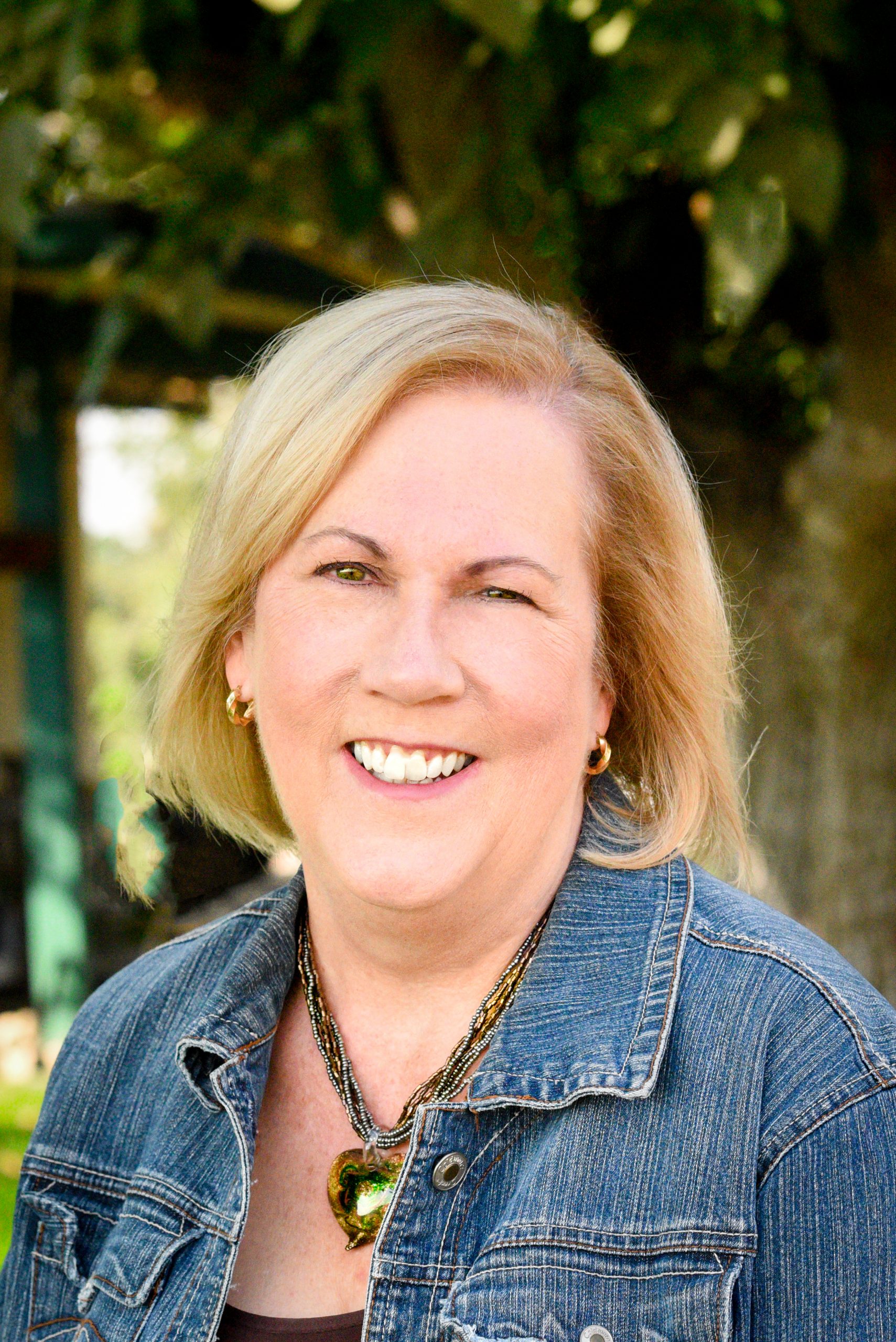
Carrie Padgett lives in Central California—close to Yosemite’s beauty, but far from Hollywood glitz. She believes in faith, family, fun, and happily-ever-afters. She writes contemporary romance and women’s fiction fueled by equal parts heart and salty snacks. Carrie and her husband make their home in the country with one very high-maintenance cat and six grandchildren just a drive away.
You can find her online at:
- Twitter: CarriePadgett
- Instagram: carpadwriter
- Facebook: WriterCarriePadgett
- Amazon Author Page: Carrie Padgett
No Comments