Recently, I had an online chat with a fellow health nut about tackling health goals/challenges who lives in Colorado. The trainer frequents one of Colorado’s most advanced fitness challenges, the incline, which is on my bucket list.
I connected with him after seeing his advice to newbies on how to train and what to monitor or focus on to help them successfully ascend the mountain, their heart rate. Too many people focus on the wrong metrics on their health journeys and fail to prepare themselves for success:
- Burning calories
- Sweating
- Overtraining
- Not emphasizing rest/sleep
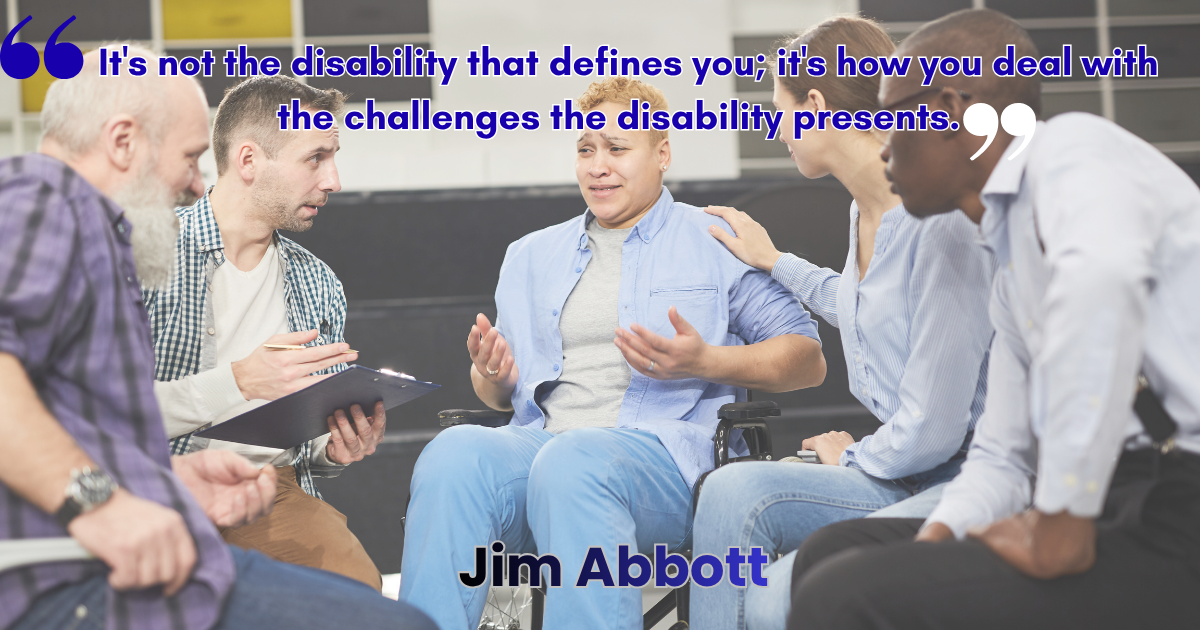
After living with a T.B.I. for almost 30 years, I understand why so many people get their health journey wrong. Recovering from my accident showed me that being able to walk encompasses a lot more than moving my legs, balance, strength, endurance, and gait.
Walking is something most of us take for granted because we have done it most of our lives. For healthy non-disabled people, walking is second nature and doesn’t require extra effort or focus. That is not the case for some people with disabilities, especially those of us with brain injuries. I got that wrong in the weeks after my accident, and I eventually fell off the toilet in my hospital room.
Getting It Right or Wrong
Many of us are aware of the dangers of disinformation and how it negatively affects our mindset and mental health. After I became a part of the disabled community, I encountered a plethora of stereotypes and misunderstandings: “You look pretty healthy to me,” “How can you drive or work if you are disabled?” “I don’t understand how you are disabled.”
Too many people make ignorant assumptions about disabled people, their abilities, and their lifestyles. I can attest that even the government agencies like Social Security and Medicaid have wrong perspectives/understandings about what it means to be disabled.
Yes, experts get things wrong from time to time, because they are human after all. There are just as many stereotypes and bad information about the writing life.

The Writing Community
When I started writing about twenty years ago, I was naïve and full of “wrong” ideas about the writer’s life. Like a lot of other writers, I thought God was about to fill my bank accounts, and I was depressingly wrong.
I didn’t understand that the writing life requires more than just an amazing idea or concept for a book or movie. If any of my writing friends haven’t learned this, it doesn’t matter who you know in publishing; there are no shortcuts to success.
Writers and non-writers alike get the writing life wrong. Many people have fantasized about what it means to be a writer. Below are just a few common misconceptions, according to Writer’s Digest, about the writing life:
- Writers are brooding solitary introverts.
- Writers are experts at spelling and grammar.
- Once you are published, you become rich.
- Authors all know each other.
- Authors have control over every part of the publication process.
- Authors have a lot of free time to write.
- Writing is easy.
Unfortunately, most aspiring writers stop pursuing publishing once they realize just how hard the publishing journey is. Only about 5% of the population achieves their writing dreams. Often writers don’t want to take the time to learn the craft.
Others only want the fame, but not the struggle to attain it. A lot of novice writers want to begin their writing careers with big projects like books or blockbuster screenplays, which is a flawed and unrealistic way to break into the business.
Writers, like people wanting to get into shape, grow their muscles by starting with smaller writing projects: a blog, magazine articles, a news or literary column, or freelance gigs.
Starting Small
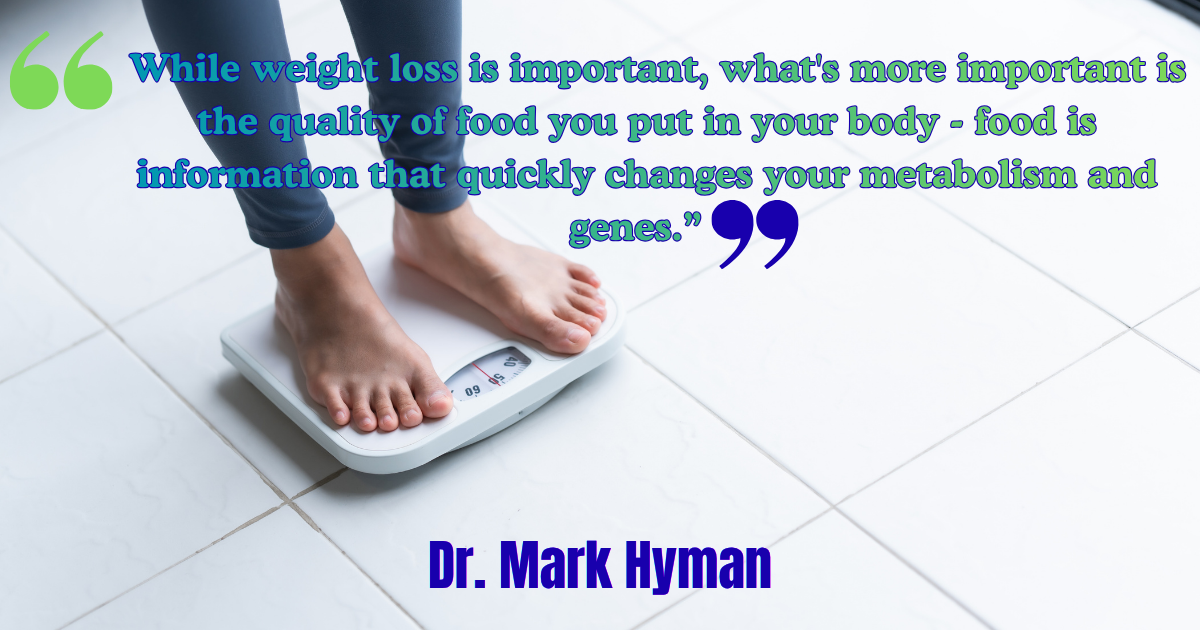
Overweight people sometimes try losing a lot of weight too fast. Desperate people do foolish and dangerous things, like taking shortcuts on their weight loss journeys, by trying dehydration, pills, starvation, and overtraining. Shortcuts are temporary and can be dangerous. It is actually more realistic to lose 1 to 2 pounds a week to ensure you’re not just losing vital water weight or crucial muscle mass.
It is fine to be determined, just don’t be desperate in your goals, regardless of what they are. Below are some starters to consider before you begin your health journey:
- Do your homework instead of following trends or uneducated advice
- Set realistic goals
- Focus on health, not weight
- Put in the work
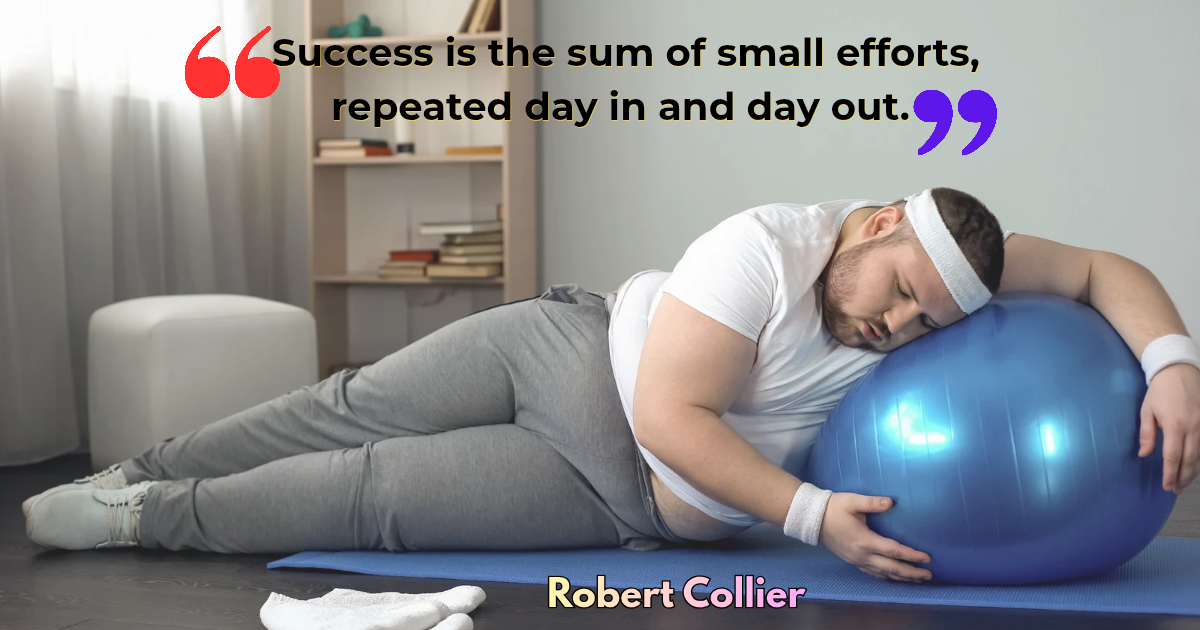
Losing weight and being healthy takes time and work; don’t believe the lies about easy and pain-free weight loss journeys. If you aren’t willing to make the sacrifices or changes in your life, nothing will change. I tell people, “You can make excuses, or you can make progress, but you can never do both at the same time.”
After my accident, it took about a year for me to become healthy and strong enough to return to work. My disability forced me to start from the beginning by taking baby steps before I could walk and eventually run or ride a bike. My impatience caused me to get it wrong a lot more than I got it right!

Martin Johnson survived a severe car accident with a (T.B.I.) Traumatic brain injury which left him legally blind and partially paralyzed on the left side. He is an award-winning Christian screenwriter who has recently finished his first Christian nonfiction book. Martin has spent the last nine years volunteering as an ambassador and promoter for Promise Keepers ministries. While speaking to local men’s ministries he shares his testimony. He explains The Jesus Paradigm and how following Jesus changes what matters most in our lives. Martin lives in a Georgia and connects with readers at MartinThomasJohnson.com and on Twitter at mtjohnson51.


No Comments