

Beat sheets, POV, three-act structure, theme, show don’t tell. I remember showing up to my first writing group at the local library, a spiral notebook clutched close to my chest and my favorite pen gripped in my sweaty fist. The new terms flew thick in the air. Some I knew, or at least had an inkling. Others not so much. When I heard the term “Story Bible” I was at a loss, but afraid to ask what they were talking about, because everyone else seemed to know.
As a first-time novelist, it felt like there was an entire second language I was meant to learn before starting. I’d dabbled with stories and such before, but I wanted to write for real.
I was quite relieved to find out that most writers don’t learn all of the technical terms upfront. The most important bit is learning how to tell a story from start to finish, even if it’s a messy first draft.
Instead of trying to memorize everything, there’s a simpler way to think about it. Focus on a few core ideas that help you write a novel. Everything else can come later. After all, there’s a reason it’s called a first draft. (Something else I heard in writers’ groups is the wise observation that you can edit anything except a blank page.)
Terms for Beginners
POV or Point of View is who is telling the story in a scene. Is your character telling it as a first-hand account and the story uses “I” sentences? That’s first person, and is often used in young adult to help the reader closely experience the character’s emotions from those awkward conversations to first love. But it isn’t a hard rule. An author once told me young adult must be written in first person. A different author told me it must always be in third! There are different POVS, but there’s no need to master every variation just yet, only know who the reader is experiencing the story through and use the POV that feels most comfortable to you and keep it consistent throughout the story.
Another useful term to know is scene, a chunk of story that happens in one place and time, usually with a goal or change. I did not have a good grasp on this vocabulary and simply wrote chapters, which were almost always a single scene. If you’ve enjoyed stories, you probably instinctively know where one scene ends and another begins. If something happens and things are different afterward, that’s probably a scene.
Conflict is the obstacle between your character and what they want. Without conflict, there isn’t really a story yet. In many YA stories, conflict grows out of school pressures, changing friendships, family expectations, or first love.
What does your character stands to lose or gain? Stakes are what make conflicts matter. A character may risk the fate of the kingdom, or they might risk losing a best friend, or perhaps disappointing a parent can feel just as important to them.
Goal refers to what your character is trying to do in a moment or scene. A character might want to make the team, confess their feelings, earn someone’s trust, or prove they are ready to make their own decisions.
The draft is the version of your story that is allowed to be imperfect. First drafts are supposed to be rough. Revision is the process of improving the draft and is where almost all novels get into shaped.
An author who understands these ideas can write a full novel. Not a perfect one, but a complete one.
Am I telling you to ignore all the other terminology and don’t worry about learning the craft? Not at all. But… you are allowed to learn while writing.
Learn by Doing
Writing a first novel for many is like developing a skill by doing rather than studying for an exam. Instead of trying to memorize everything first, storytellers can write, notice what works and what doesn’t, and adjust accordingly.
A lot of writing vocabulary only becomes meaningful once you’ve actually struggled with a draft. Pacing makes sense when a scene feels too slow. What is meant by conflict becomes clearer when a chapter feels flat. The need for—and understanding of—subtext reveals itself when dialogue feels too obvious. The terms are descriptions of problems authors naturally run into.
You don’t need to know everything to start writing a novel. You just need a character, in a situation, with a problem. And the willingness to figure it out as you go. Terms and techniques can be learned in context when you discover you need it. The goal is to finish the story, and the rest will follow.
P.S. In case you were wondering, a story bible is a reference document containing all the important information about a story to help the author keep details consistent while writing, a handy item to have!
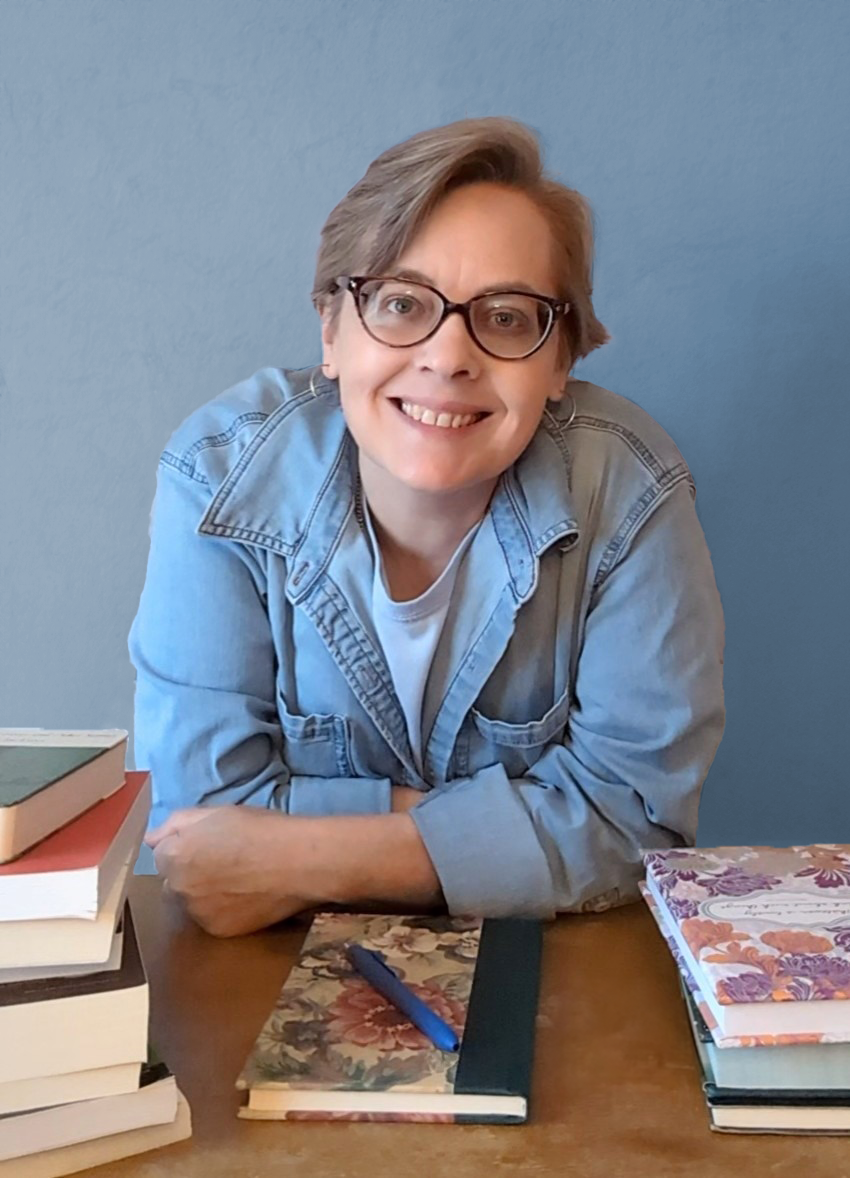
Donna Jo Stone is an award-winning, multi-genre author. She writes contemporary young adult, historical fiction, and southern fiction. Many of her novels are about tough issues, but she always ends her stories on a note of hope. Finding the faith to carry on through hard battles in a common theme in Donna Jo’s books. Her novel When the Wildflowers Bloom Again is a 2025 ACFW Carol Award Winner.
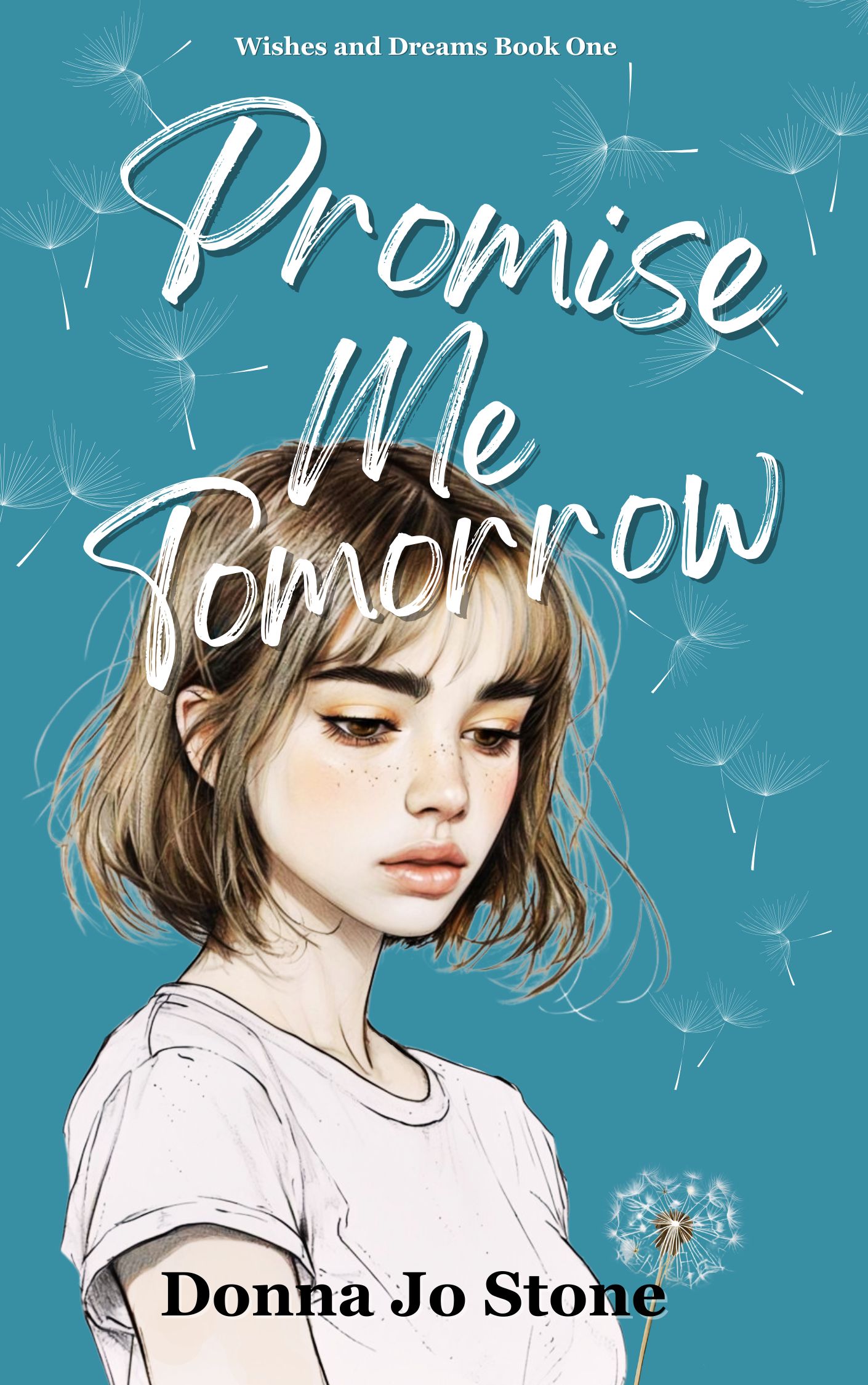
Her contemporary young adult novel and 2025 SCWC Notable Book, Promise Me Tomorrow, is available in ebook, print, and KU. For the latest news on upcoming releases and other author news, sign up for Donna Jo’s newsletter at donnajostone.com.


No Comments