Recently, I offered a younger disabled friend some advice about resources available to people with disabilities in Georgia. Fortunately, he had already plugged into a support group for persons with spinal cord and brain injuries.
However, I still wanted to share some of my experiences, contacts, and resources that I have used.
Almost 20 years ago, after I was let go from my longtime place of employment, before I knew the extent of how my brain injury affected my eyesight, I felt pretty helpless and didn’t know where I could get the resources I needed to survive.
A mentor of mine, who was familiar with situations like mine, urged me to apply for Social Security benefits to see what I would qualify for. I didn’t know that that decision would open the door to other resources in Georgia for persons with brain injuries like me.
I was unaware that the same year I had my accident, the state of Georgia developed a trust fund for persons with brain and spinal cord injuries. The trust fund had resources to meet the needs of persons with brain injuries:
- Medical needs
- Educational needs
- Transportation needs
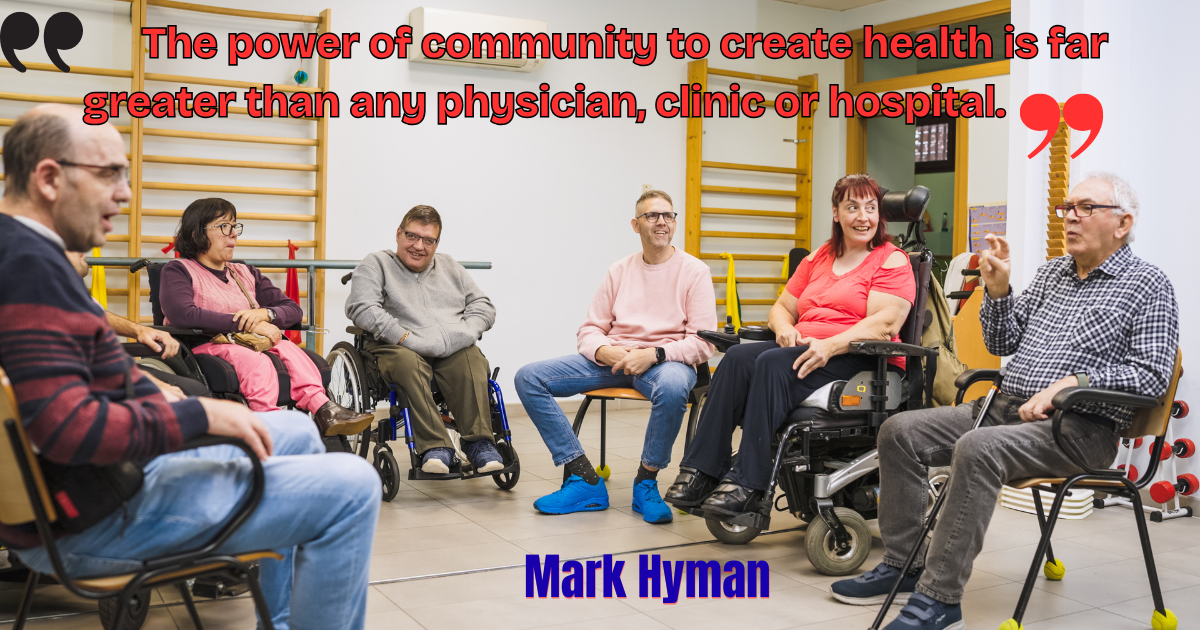
Through the trust fund and Social Security, I was able to plug into the disabled and brain injury communities, where I have gained valuable knowledge, resources, encouragement, guidance, and living aids.
You don’t need to be disabled to need or long for community. God didn’t make us to experience life alone. Before my accident, I used to make fun of people in the disabled community whenever I saw them at a residence near where I lived.
When I was younger, I ran with the club crowd and enjoyed the party lifestyle. Now in my later years, I associate with others in quite different circles of life: disabled, health/fitness, biking, and writing circles.
What Are Circles?
Circles are much more than just a geometric shape or path. Circles are a community of equal points. A circle is defined as “A closed plane curve where every point of which is equidistant from a fixed point within the curve: an area of action or influence.”
Psychology affirms the need for and benefits of being part of a community. It reduces stress, feelings of isolation, provides mental health benefits, and provides physical health benefits. Circles are also symbolic of unique communities of people that share a common interest or purpose.
Throughout life, we belong to or experience many circles: friends, work associates, hobbies, and experiences. It is natural to gravitate towards specific circles in life because that is where we feel most comfortable, accepted, or safe. The writing community is no different.
Writing Circles
Although I haven’t signed with an agent yet, I have been part of writing circles for over a decade. I still try to grow my skills, learn the intricacies of my genre, and make connections within my writing circles.
The writing community is a tight-knit community that is more than willing to share, encourage, and guide other writers. There are many benefits to being active in writing circles: learning, networking, and encouragement.
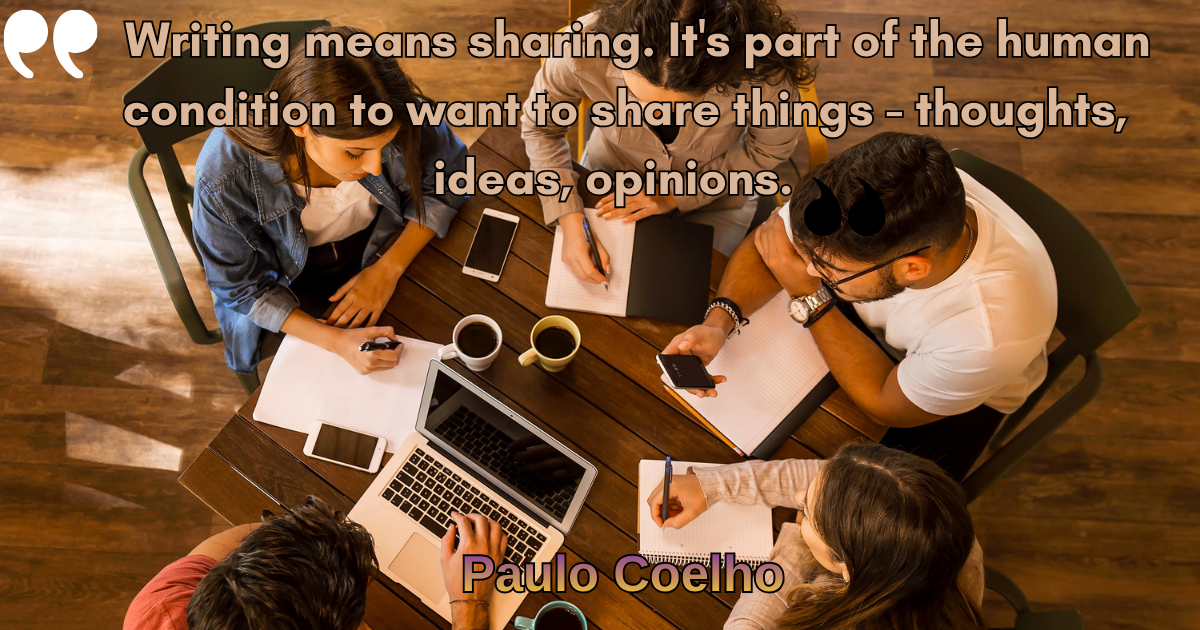
Since we know the writing journey is a tough path, it is crucial to join and be active in as many writing circles as you can find. As I write this, many of my writer friends are attending an annual Christian writers conference in the Southeast.
Below are some of the benefits of attending a professional writers conference and joining others in te writing circles:
- Commitment
- Community
- Knowledge
- Inspiration
- Networking
If there are any caveats to joining any community, it is this: wasting or abusing it. For my friends and colleagues attending the conference this week, don’t focus too much time on the social aspect of the experience.
As with any community, we tend to get caught up in seeing friends and just being social, and miss out on the opportunity to grow, learn, and network. I am not saying we shouldn’t have fun; just that it isn’t the focus or purpose of being part of any community. My goals for being part of any community are simple: encourage, equip, and help others and myself grow.
Help Is Needed
Communities are a great place to get advice and help with whatever issues we’re struggling with. After my accident, I really struggled with depression and needed to get encouragement and help from the brain injury community; without it, I doubt I would be here today.
A few years ago, a lot of cyclists where I live were either getting hit or run off the road due to reckless drivers. A cycling friend of mine suggested I purchase a rear cycling radar to help me know when vehicles are approaching behind me.
At the time, I had not heard of such a thing. But now I will not get on my bike without it. I often tell other cyclists about the radar to help them stay safe.
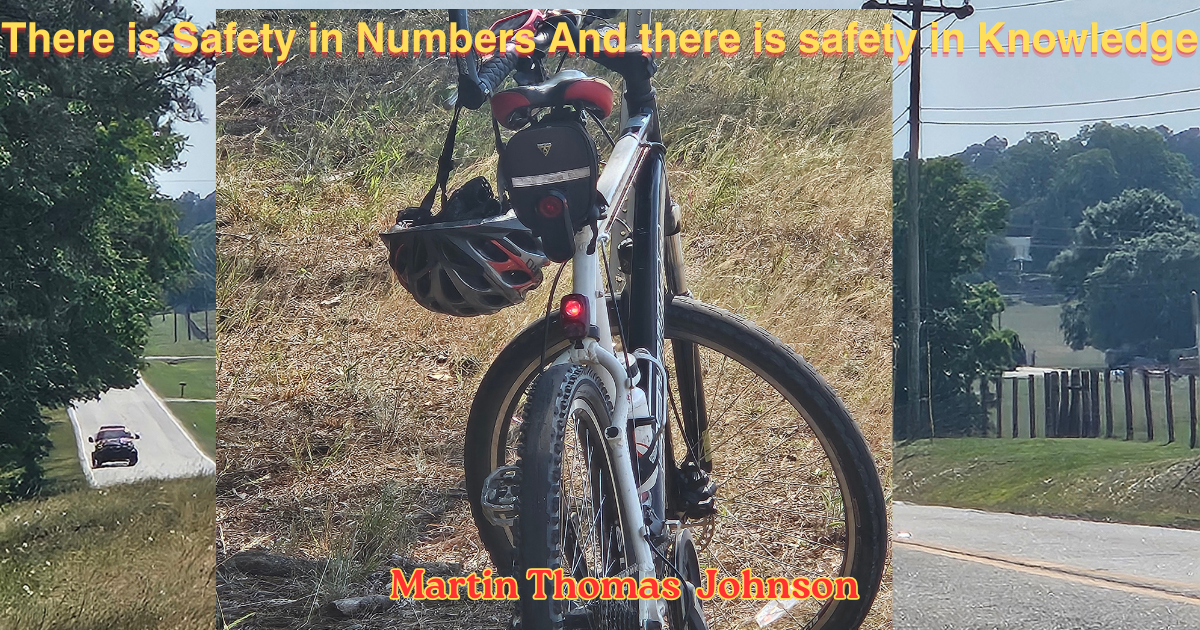
Circles are places we go to seek help and encouragement, not just to socialize or be entertained.
After my accident, I wanted to get back to my old life, but I didn’t know how much help I really needed due to my TBI. I needed to address my issues before I could focus on socializing and entertainment:
- Physical health
- Mental health
- Emotional health
- Spiritual health
Once we are healthy, we are able to enjoy our social life and entertainment better. Again, you don’t have to have a brain injury or physical disability to need help. We live in an evil and broken world. We all need help at some point. That is why we need to learn to harness the power of our circles!

Martin Johnson survived a severe car accident with a (T.B.I.) Traumatic brain injury which left him legally blind and partially paralyzed on the left side. He is an award-winning Christian screenwriter who has recently finished his first Christian nonfiction book. Martin has spent the last nine years volunteering as an ambassador and promoter for Promise Keepers ministries. While speaking to local men’s ministries he shares his testimony. He explains The Jesus Paradigm and how following Jesus changes what matters most in our lives. Martin lives in a Georgia and connects with readers at MartinThomasJohnson.com and on Twitter at mtjohnson51.

No Comments