
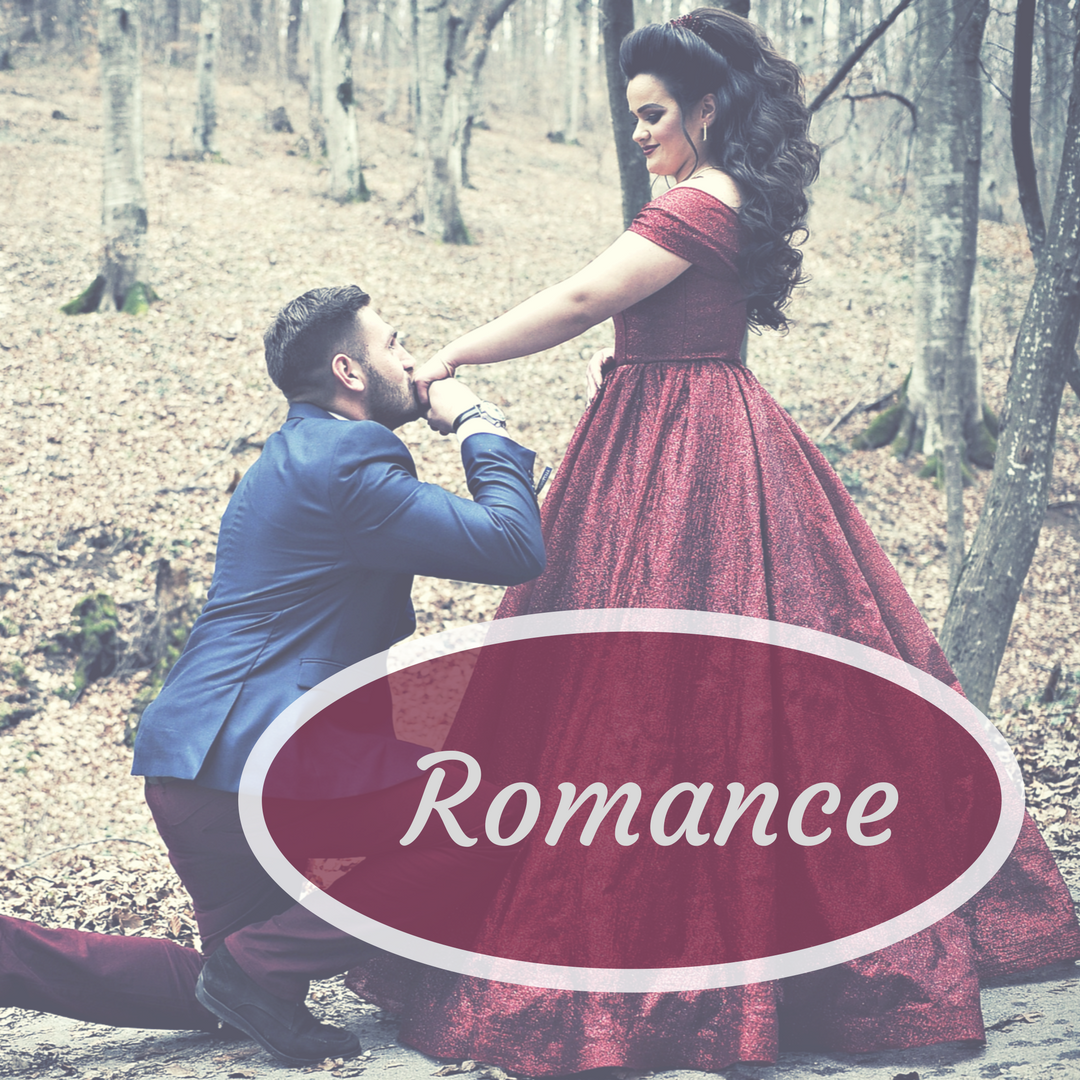
The Butterfly Effect suggests that one small action can create consequences far larger than anyone expects. While scientists debate whether a butterfly flapping its wings in Brazil could contribute to a tornado in Texas, romance writers know something similar happens on the page: tiny moments can create enormous emotional impact.
A shared glance.
An almost kiss.
A soft touch.
A near confession.
They’re butterfly moments: a small something with big emotional stakes. Handled deftly, each moment adds to the reader’s anticipation for the coming happily ever after and so they keep turning the page.
Let’s look at a few memorable examples.
In the 2005 movie adaptation of Pride and Prejudice, Mr. Darcy takes Elizabeth’s hand to help her into the carriage. It’s their first touch, the first time either has felt the other’s skin. The warmth, the texture, the grip.
He touched her. In the societal and cultural mores of the time, women wore gloves and touches between members of the opposite sex were not appropriate. But he took her hand to help her into the carriage. He didn’t just offer his hand and wait for her to take it. He initiated the contact and it clearly affected them both.
The gesture lasts only a second, but it tells the audience volumes. Darcy doesn’t choose to reveal his feelings. His body does it for him. The hand flex becomes visible evidence of the emotional walls beginning to crack.
In The Sound of Music, during the gazebo scene between Maria and Captain VonTrapp, he approaches her slowly and with tenderness, acknowledging her flight back to the abbey, but also her return to his home and children. Maria believes he’s going to explain what changes to the household his marriage to the baroness means. Then Maria realizes he’s talking about her—not the baroness—when he confesses he’s in love with someone else. Suddenly viewers are leaning forward and urging them to kiss.
In my upcoming release, What Could Be Better, when my hero and heroine finally kiss, fireworks go off. Unfortunately, it’s an exploding electrical panel leaving no time to savor the kiss or discuss what it means.
I chose to interrupt the kiss so both characters and readers will want more. More tenderness, more time together, more (figurative) electricity and sizzle on the page.

When studying these moments, ask yourself:
• What emotional state are the characters in before the scene?
• What changes by the end?
• What physical action carries the emotional weight?
• What remains unsaid?
• Why couldn’t this moment have happened ten pages earlier?
The previous evening in Pride and Prejudice, Darcy tells Elizabeth that his “good opinion once lost is lost forever.”
When he assists her into the carriage, he tells her—without words—that in spite of their misunderstandings and disagreements, she still holds his good opinion.
In The Sound of Music, Maria is taking a moment in the gazebo to reflect on the news of the captain’s engagement to the baroness. She doesn’t know the engagement has just been called off.
It would be a natural impulse for the captain to rush to find Maria, confess his love and ask her to marry him. But in their previous interaction, she said she intended to return to the abbey once a suitable governess was found. He might believe and hope Maria returns his feelings, but he’s uncertain.
He moves slowly. Even his approach to the bench where Maria sits is quiet and almost tentative. He exhibits strength and restraint in his tenderness. Once Maria knows he’s not engaged, she lets herself hope that her feelings are returned just as the captain confirms it and they seal their declarations with a kiss.
Whether your characters are Regency aristocrats, singing governesses, or contemporary jewelry designers, the principle is the same: readers fall in love with the relationship one small moment at a time.

Now it’s your turn. Choose one of your favorite romance movies and watch a single scene with the sound muted. Notice the pauses, glances, shifts in posture, and little touches. Then ask yourself what emotion each physical action communicates. Finally, look at one of your own romantic scenes. Could one sentence of dialogue be replaced by a meaningful glance, an interrupted touch, or a moment of silence?
Let less create more.
Readers rarely remember the grand declarations of love.
They remember the glance across a crowded room at a party.
The thumb brushing away a tear.
The hero instinctively reaching for her hand before crossing a busy street.
The inside joke no one else understands.
Those tiny moments accumulate until the final declaration feels inevitable instead of surprising.
The happily-ever-after isn’t built by one grand romantic gesture. It’s built by dozens of butterfly moments that convince readers these two people belong together.
So as you revise your manuscript, don’t just ask yourself where the kiss happens. Ask where your butterflies land.

Carrie Padgett lives in Central California—close to Yosemite’s beauty, but far from Hollywood glitz. She believes in faith, family, fun, and happily-ever-afters. She writes contemporary romance and women’s fiction fueled by equal parts heart and salty snacks. Carrie and her husband make their home in the country with one very high-maintenance cat and six grandchildren just a drive away.
You can find her online at: Twitter: CarriePadgett Instagram: carpadwriter Facebook: WriterCarriePadgett Author Page: Carrie Padgett




No Comments